Kemenperin
Programs.
Programs for the Ministry of Industry, Republic of Indonesia — rebuilt since 2024. PHP 5 to PHP 8, React + Hono, and the Svelte + Go + Python platform running today.
Business Matching
Three eras across 2024–2026 — the complete development history of Kemenperin’s Business Matching platform, from a PHP 5 monolith to the Svelte + Go + Python system running at bm-online.id today.
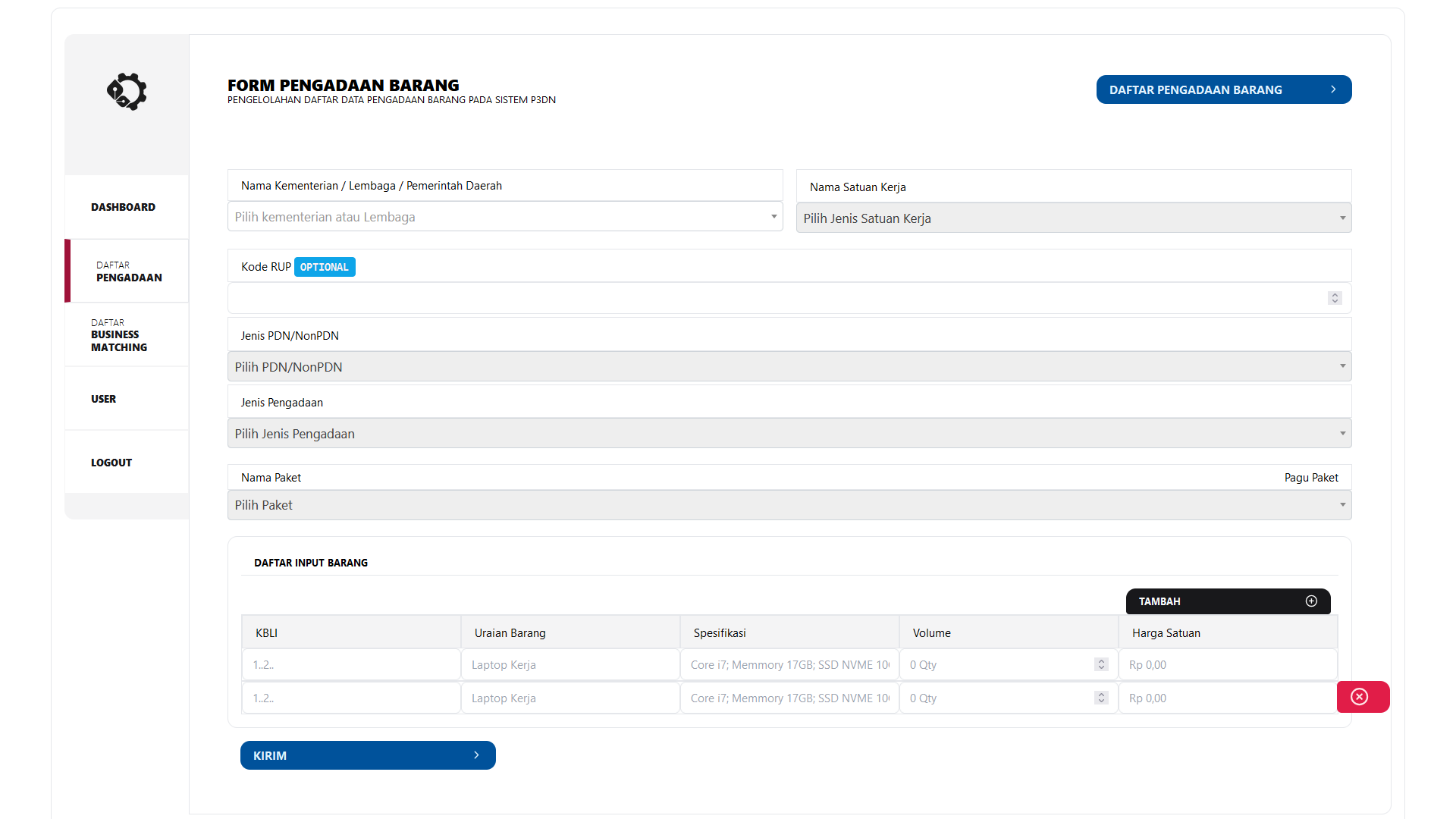
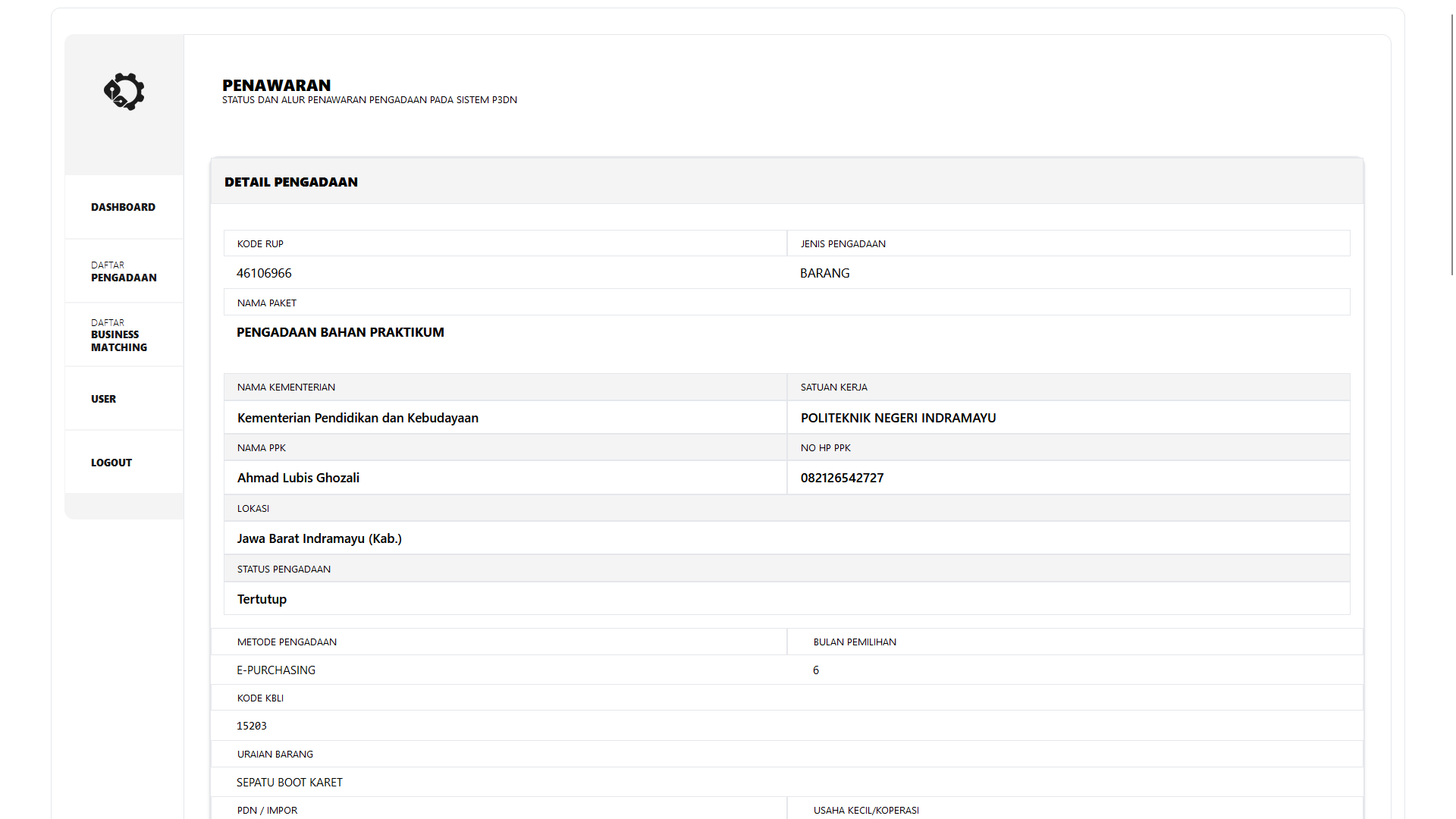
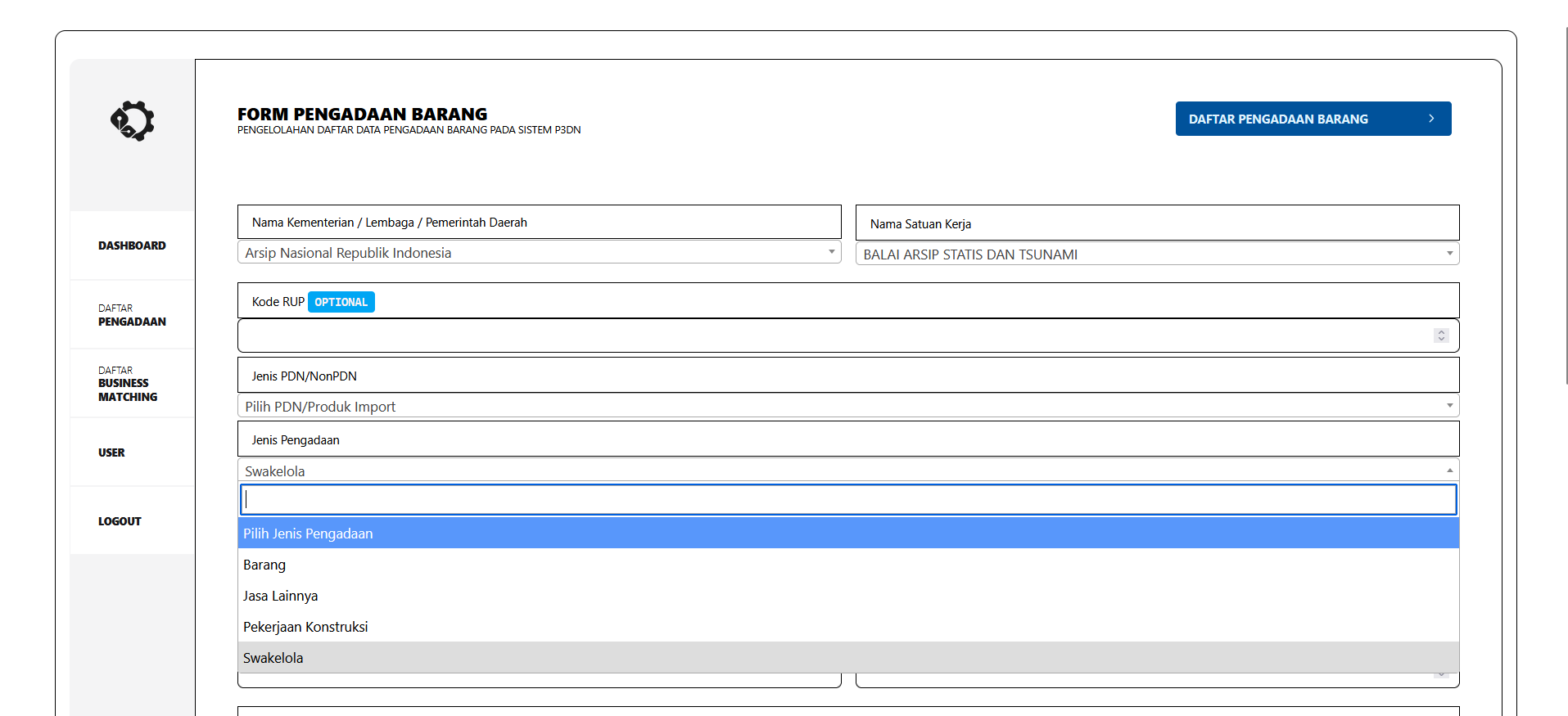
PHP 5 — The First Platform
The first incarnation of Business Matching for Kemenperin ran on PHP 5 — a classic server-rendered monolith where every page was generated on request. IKM (small & medium industry) actors could register a company, list products in a catalog, and submit matching requests ahead of ministry-run business matching events.
It did the job. Manufacturers adopted a digital matching channel for the first time, and ministry staff gained an admin view over participants. But the stack was aging fast: no dependency isolation, legacy mysql_* patterns in places, and an increasingly brittle deployment on shared hosting.
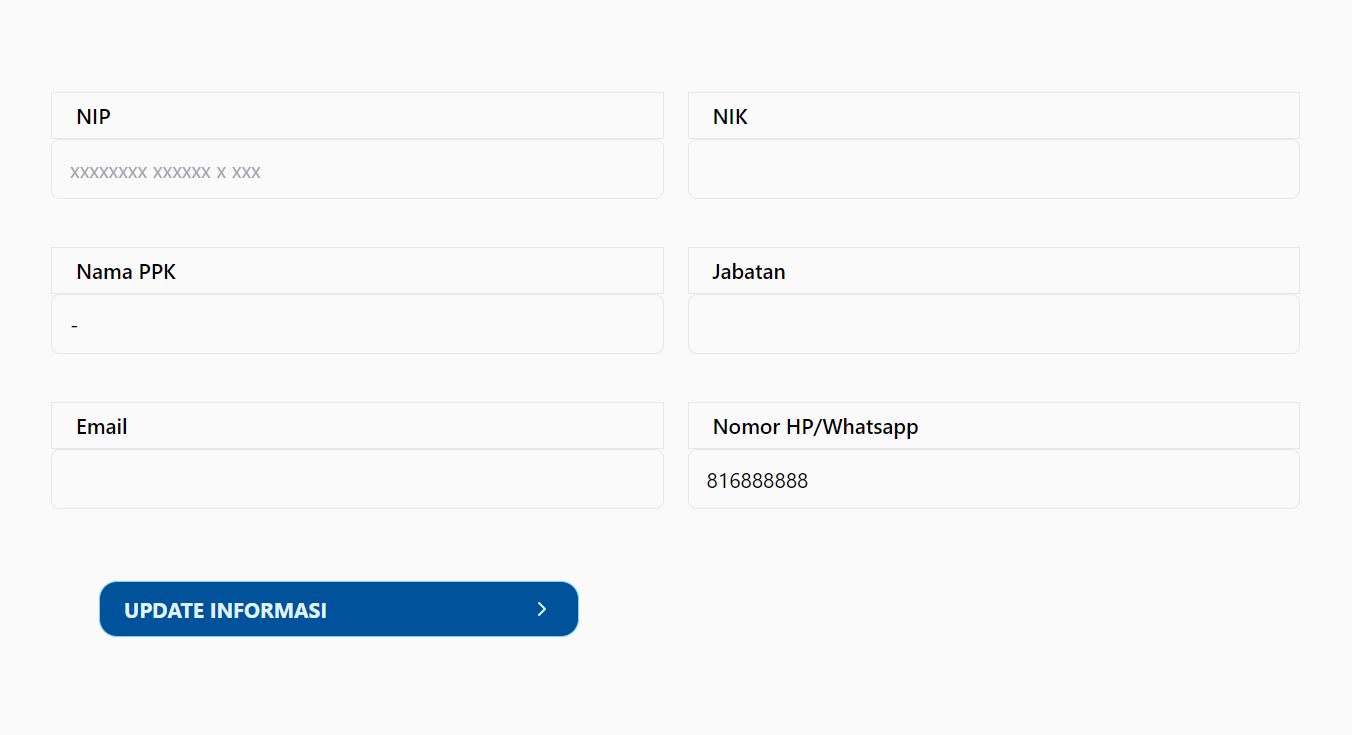
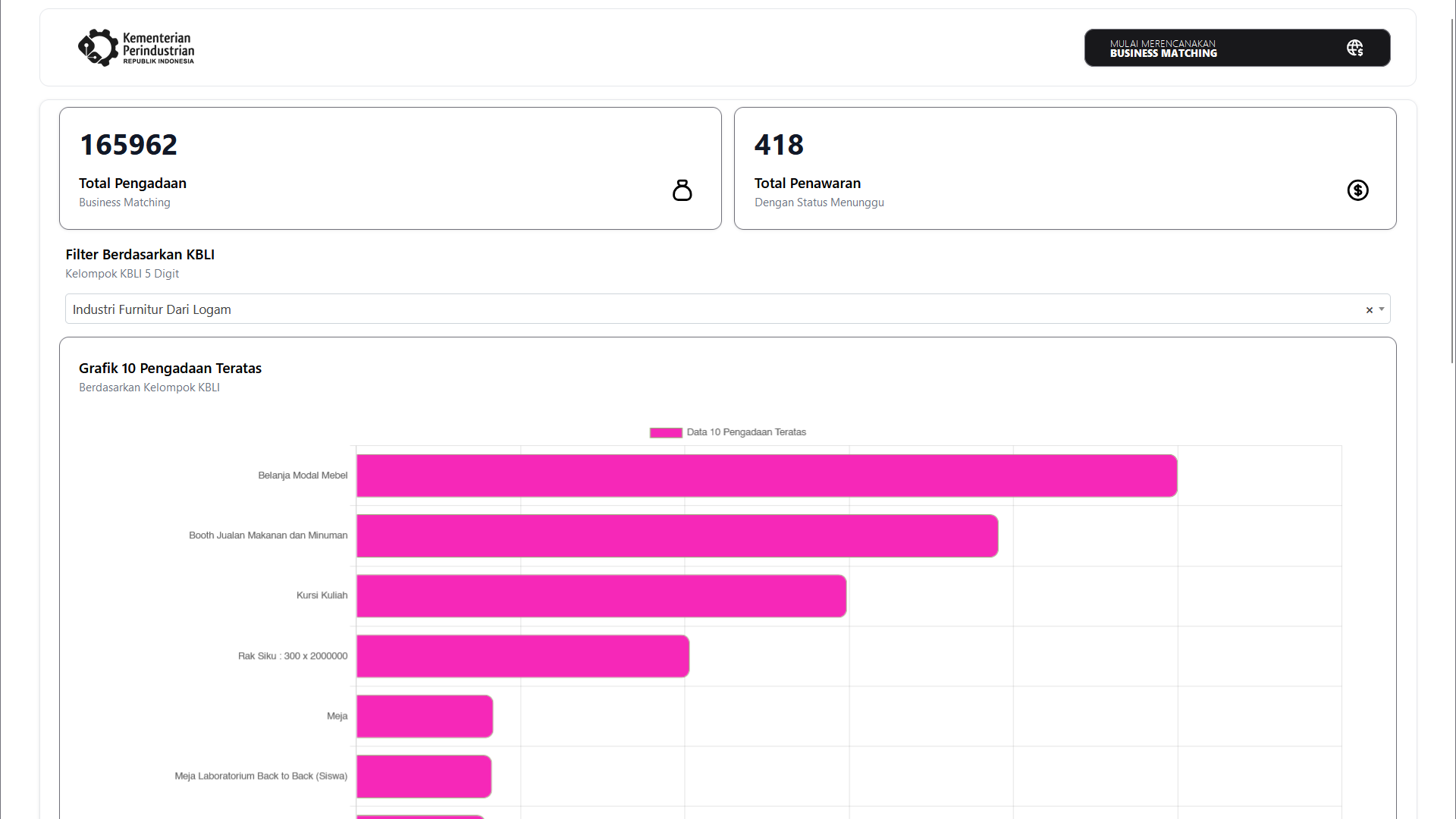
Early PHP 5 interface — February 2024
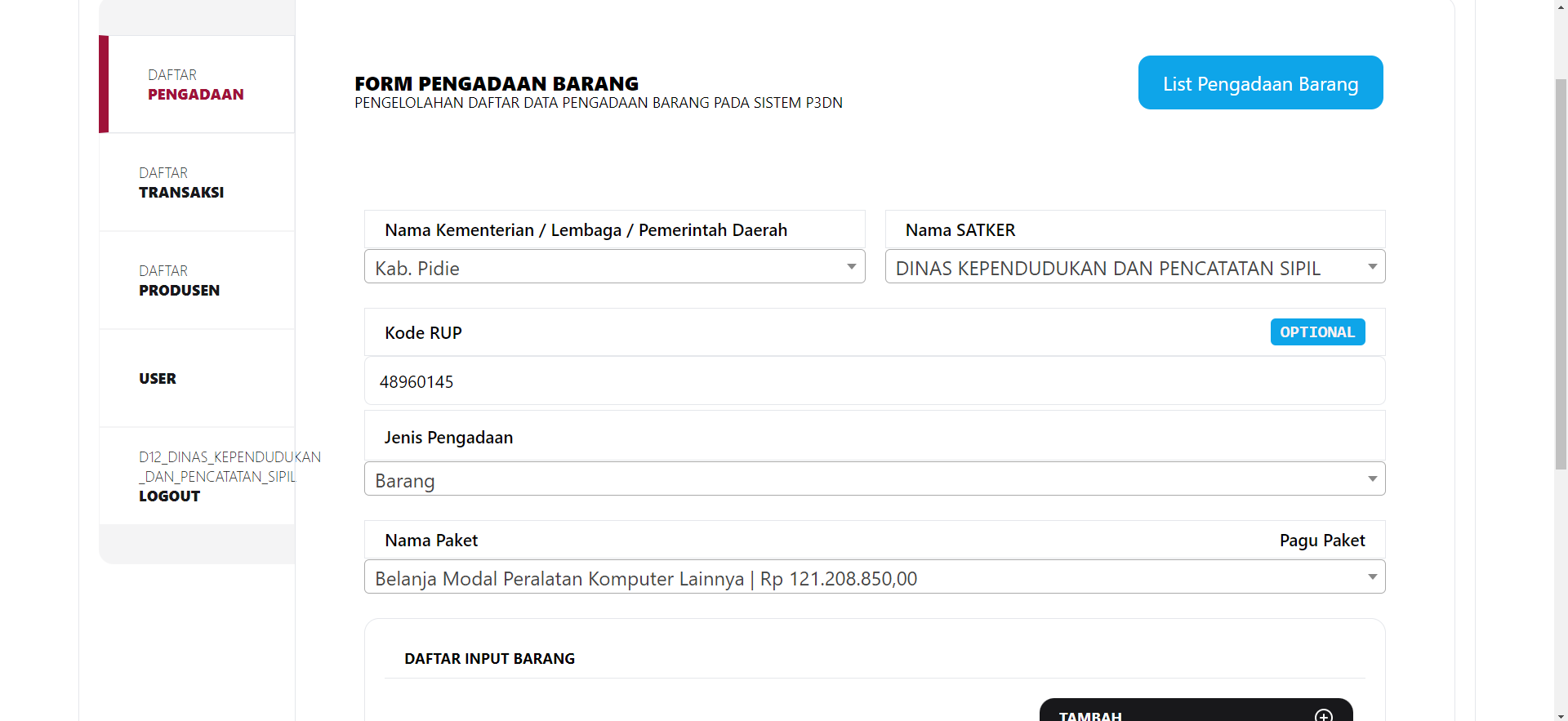
PHP 5 platform — March 2024
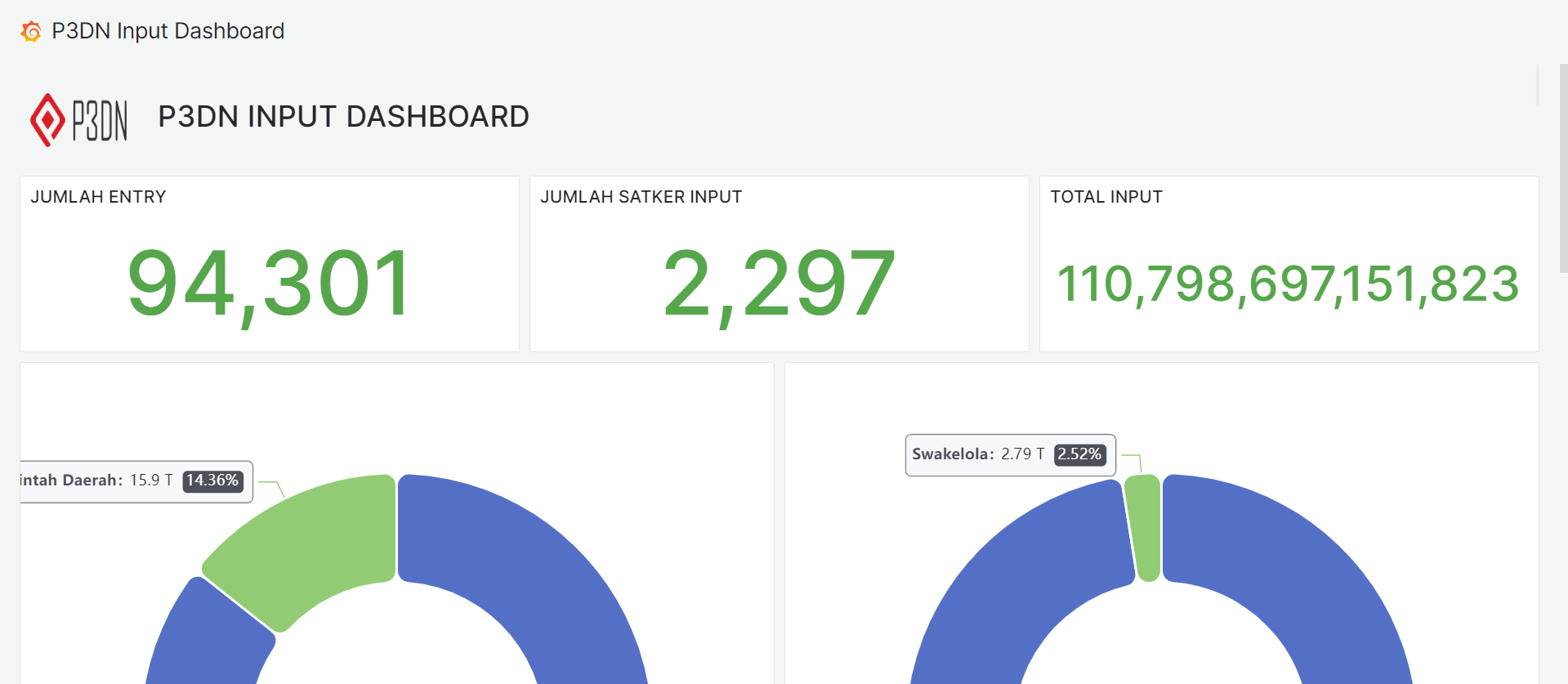
PHP 5 admin — March 2024
Proved the model — industry would match online — but the runtime had no headroom left.
PHP 8 → React + Hono — The Decoupling Year
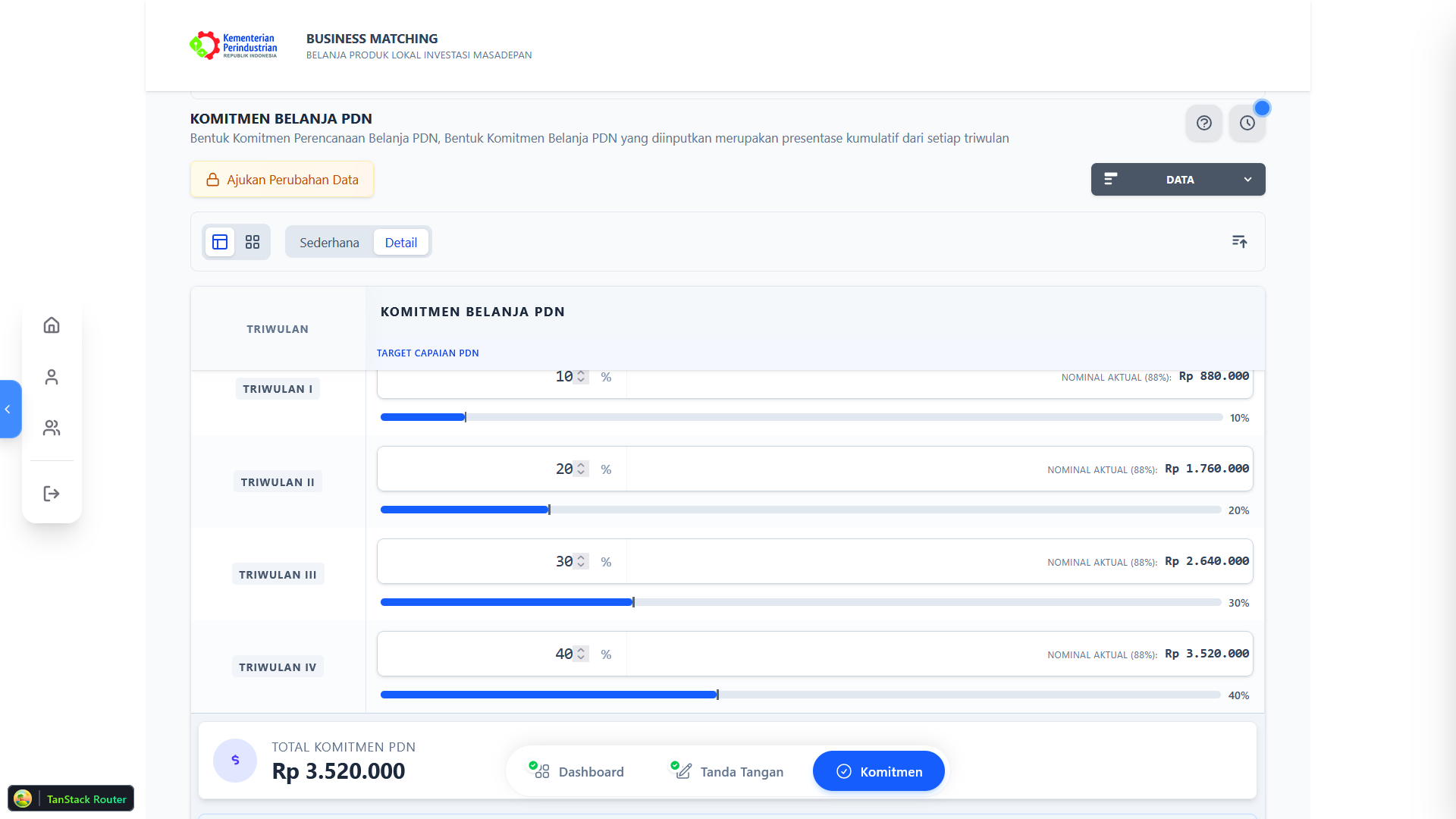
The middle year carried two rebuilds. Early 2025 finished the PHP 8 modernization the previous era started — same monolith shape, professional internals: typed function signatures, Composer-managed dependencies, PDO prepared statements, tests covering the critical paths, and a dedicated admin panel for curating participants, approving companies, and scheduling one-on-one matching sessions.
By the end of the year the system split in two: a React single-page app for participants and a Hono-powered TypeScript API serving the data. JWT-based auth replaced server sessions, PostgreSQL replaced MySQL, and the matching workflow became an explicit API contract instead of implicit page logic. Decoupling unlocked a genuinely mobile-friendly experience for factory-floor users and let the API serve more than one consumer — at the cost of two codebases, two deploy pipelines, and validation rules duplicated on both sides.
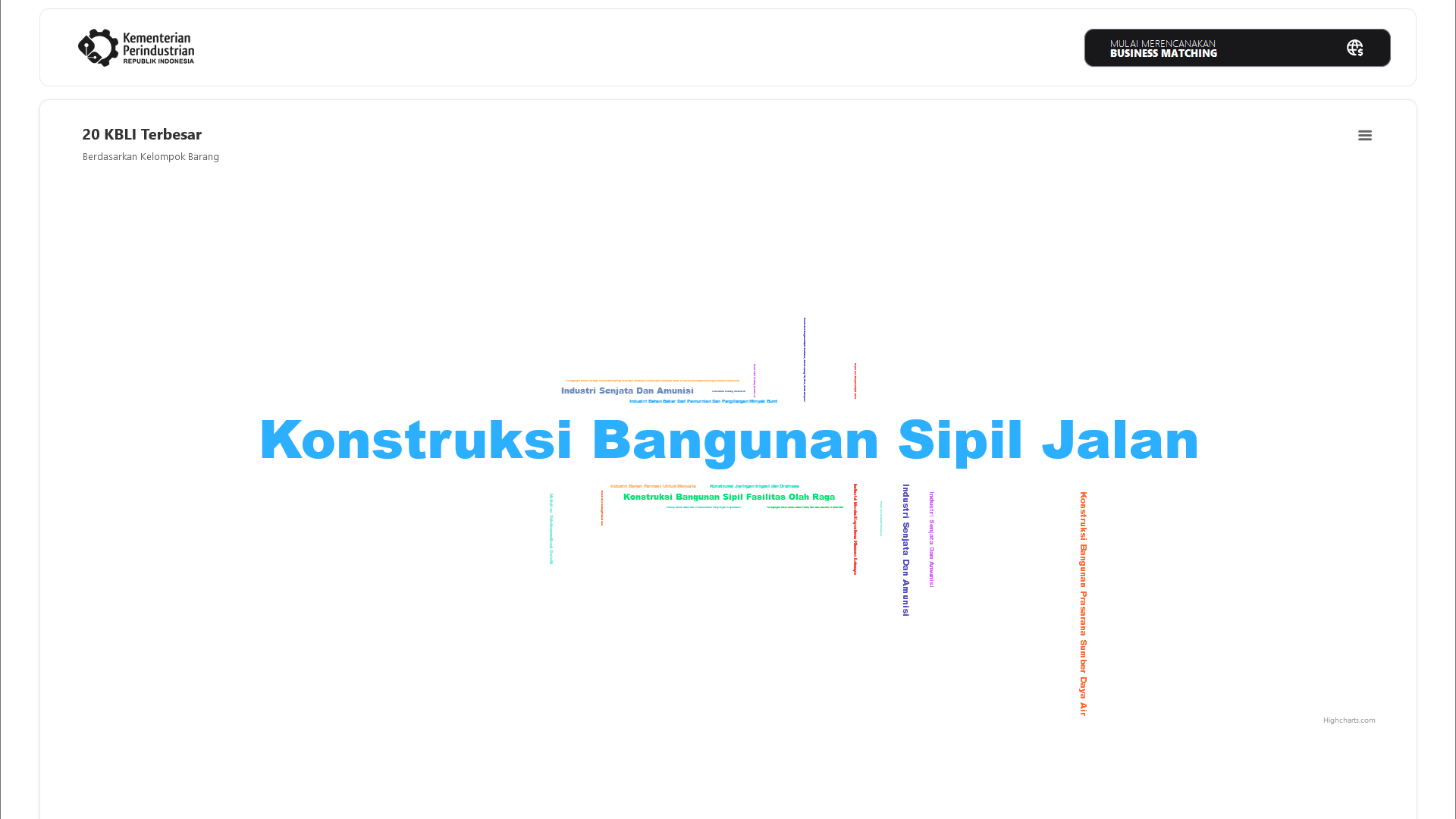
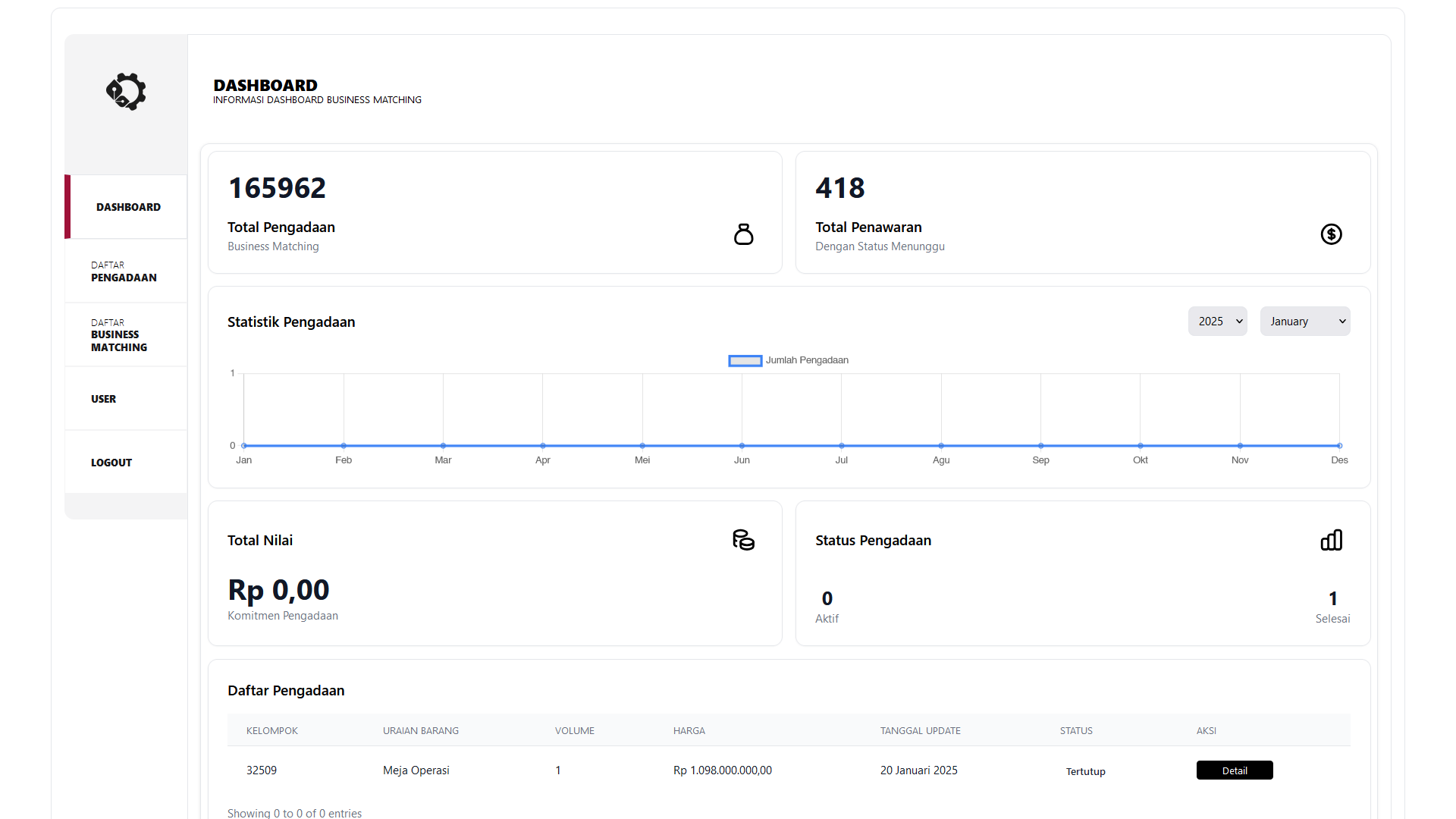
PHP 8 dashboard — January 2025
Company management
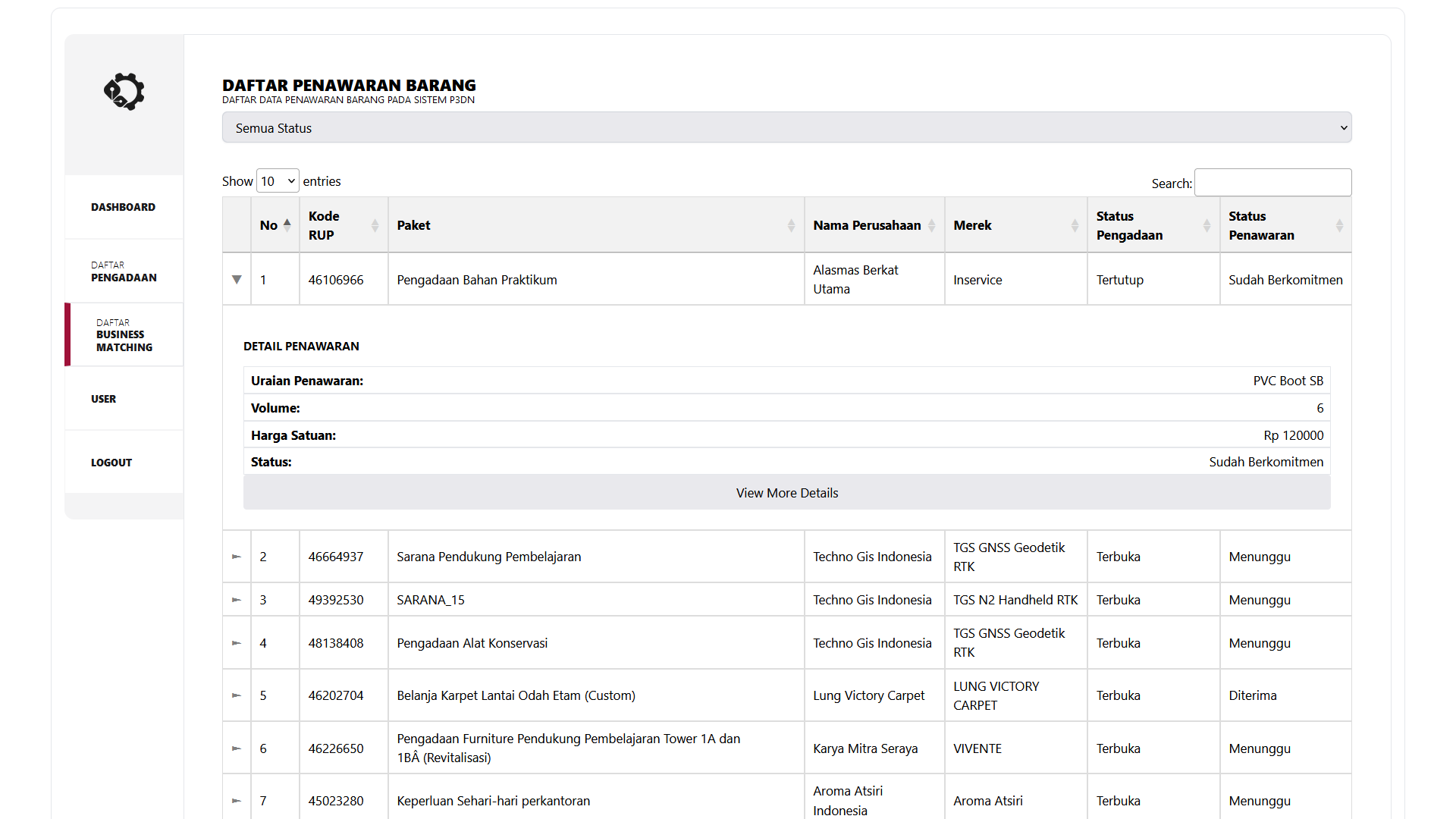
Matching workflow
Event scheduling
Participant list
Reports
Settings
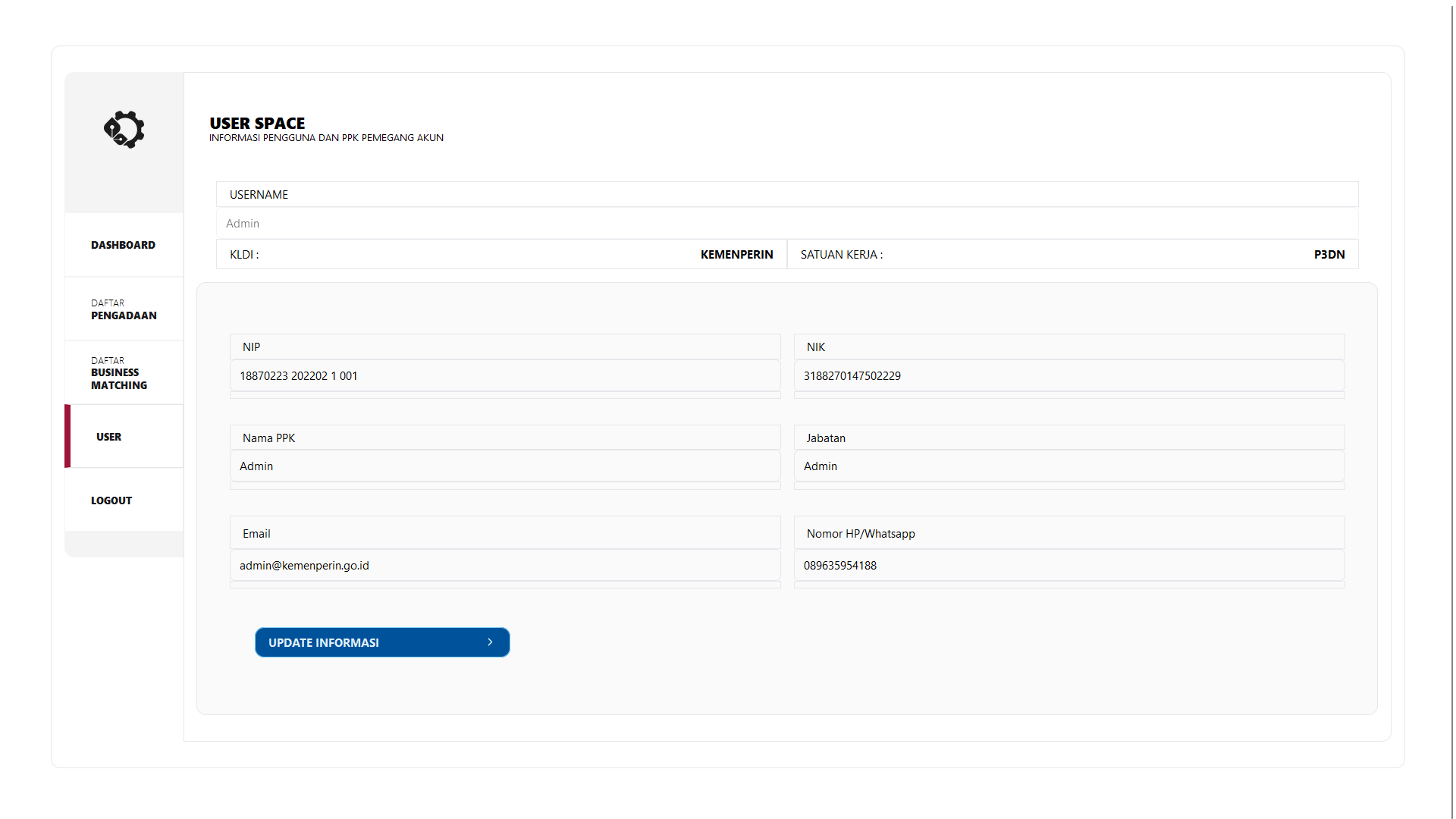
PHP 8 platform — February 2025
React participant app — December 2025
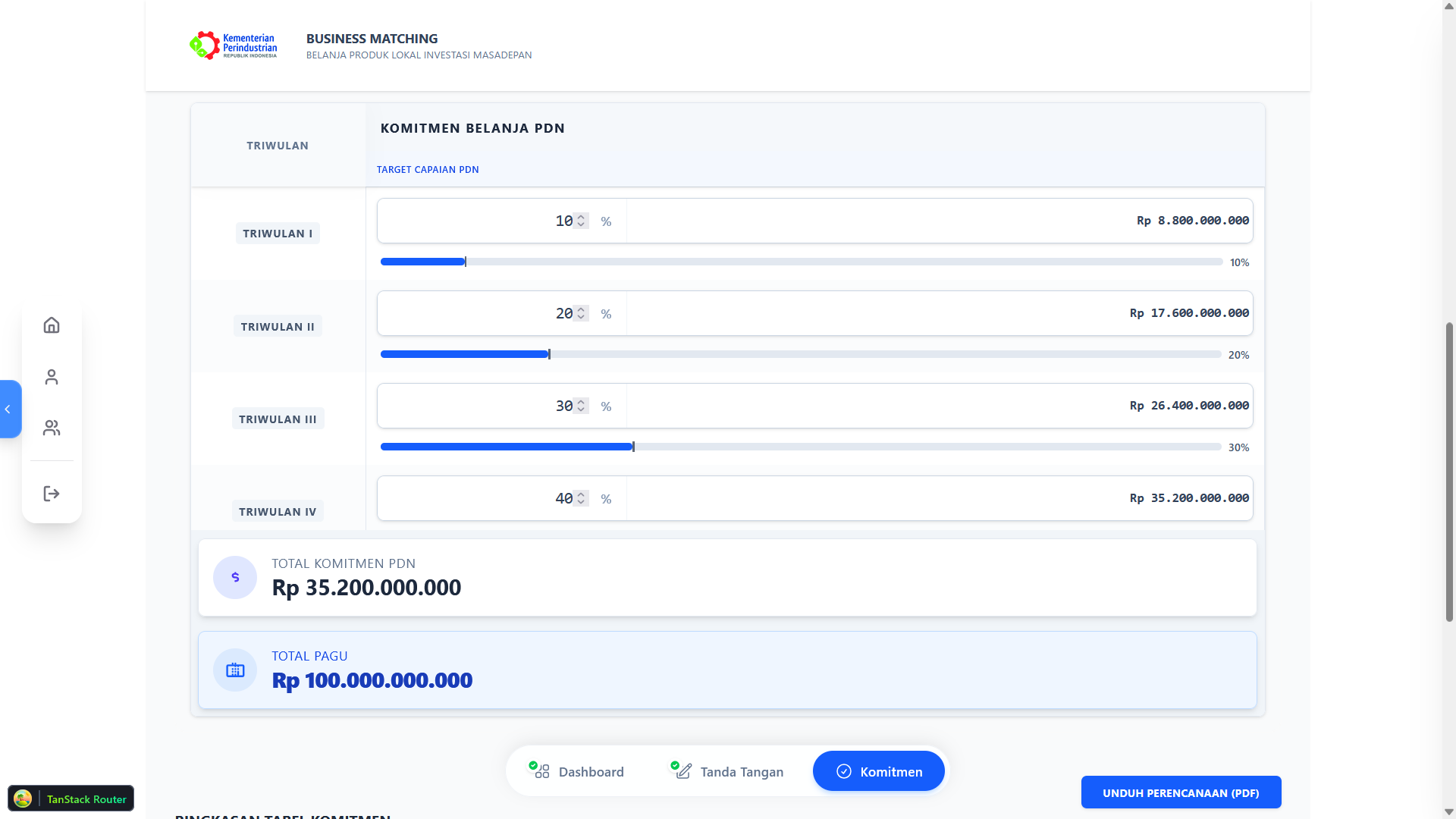
Company profile, decoupled
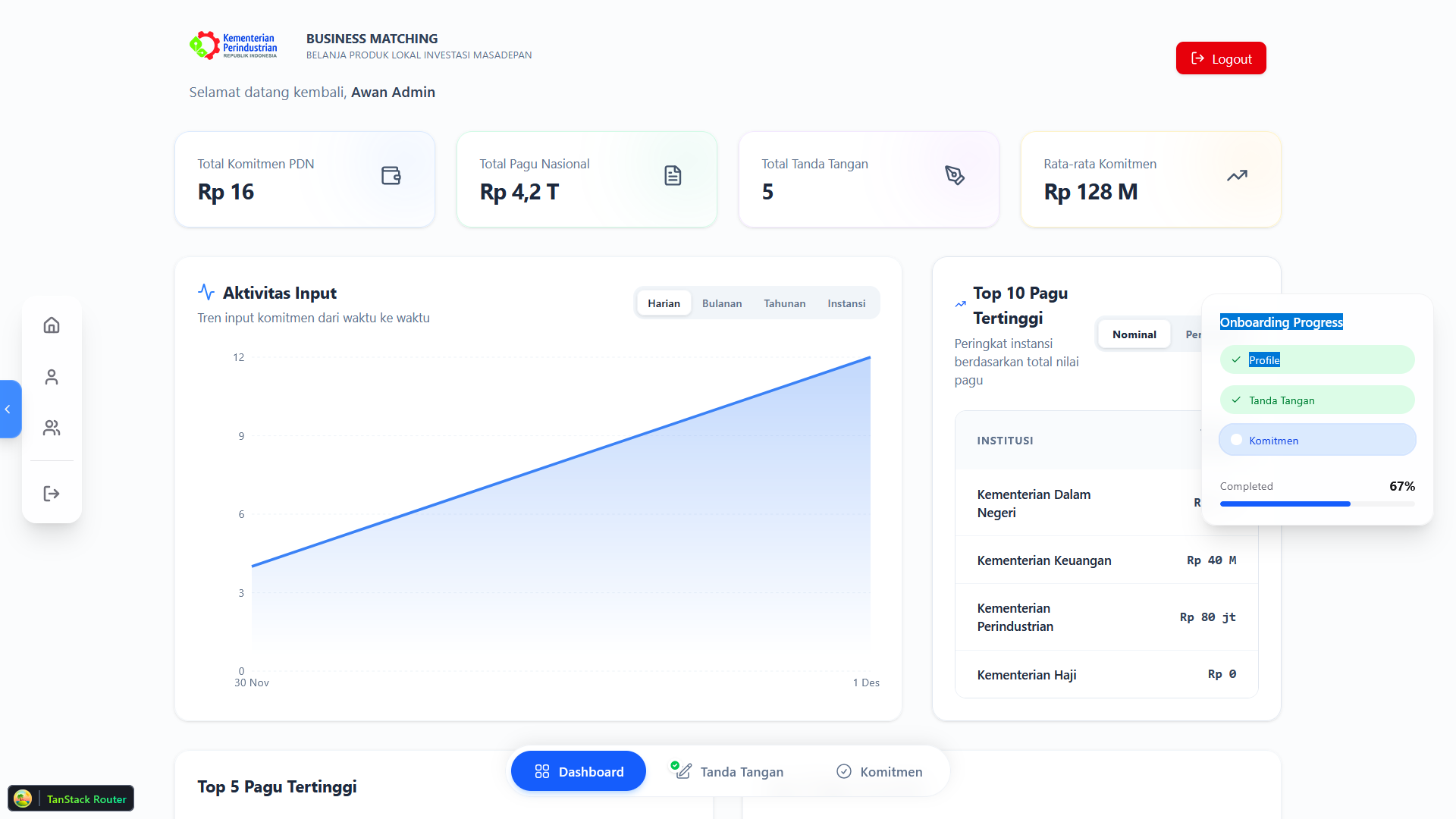
Matching interface
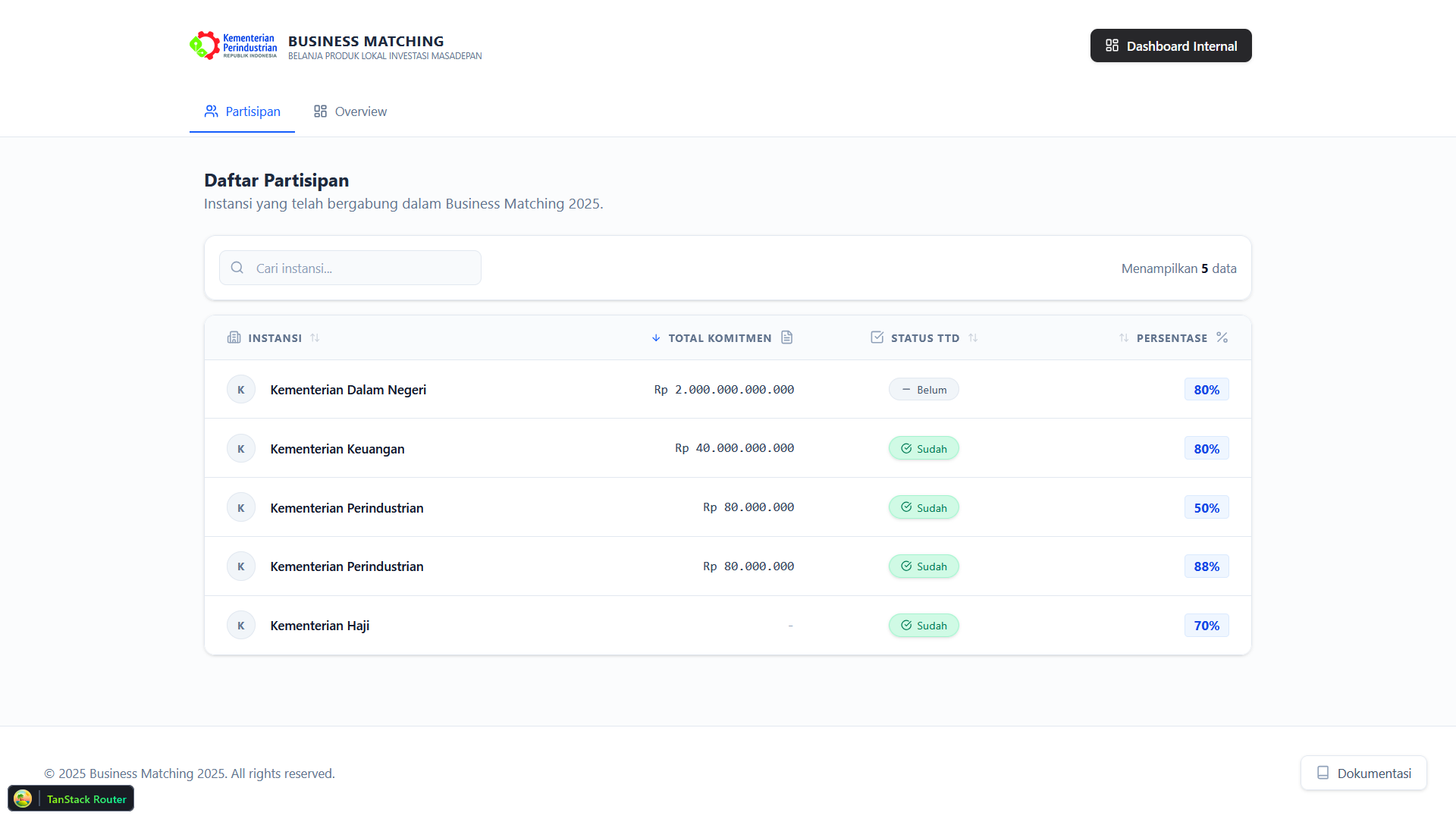
Directory view
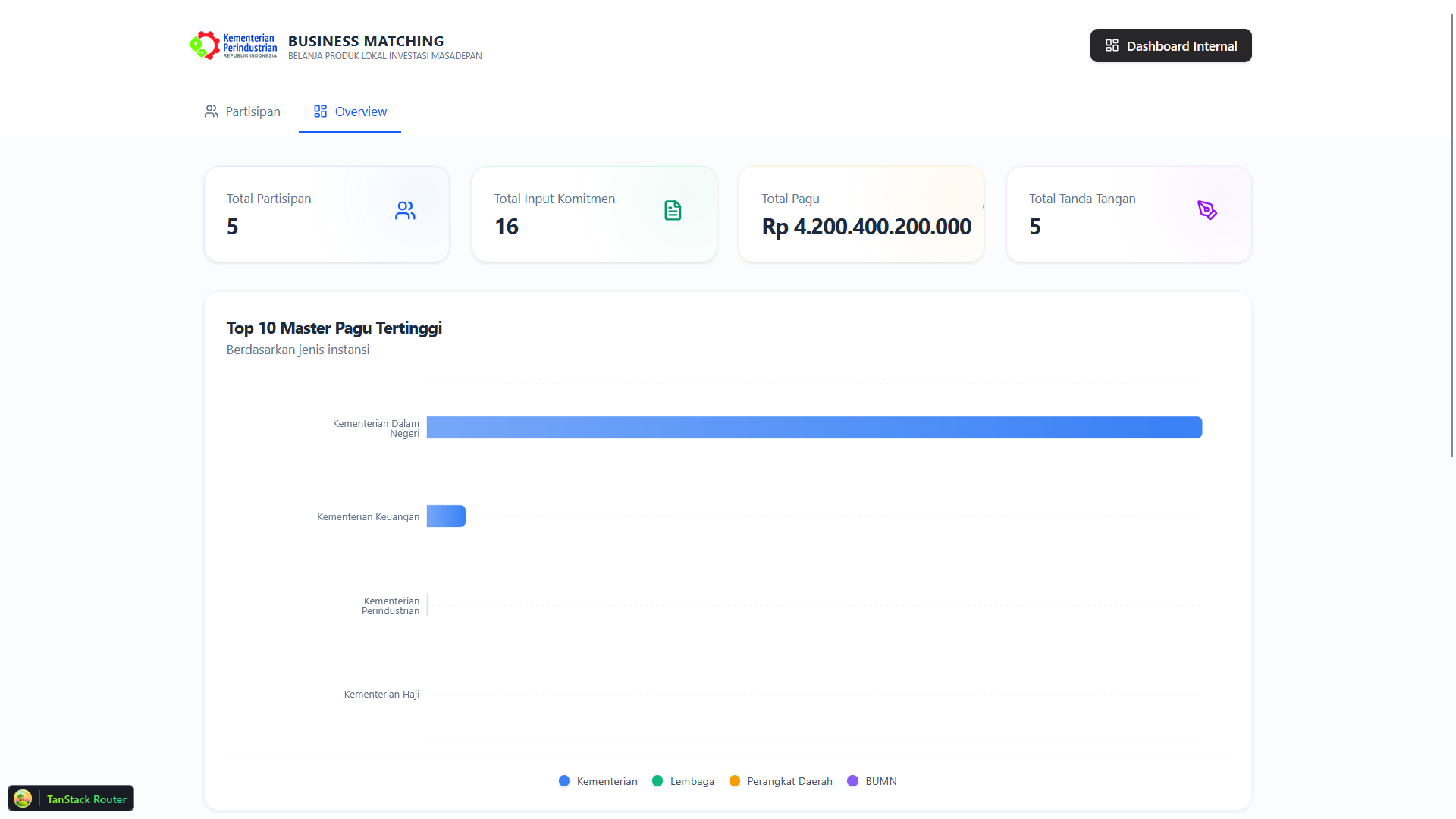
Detail view
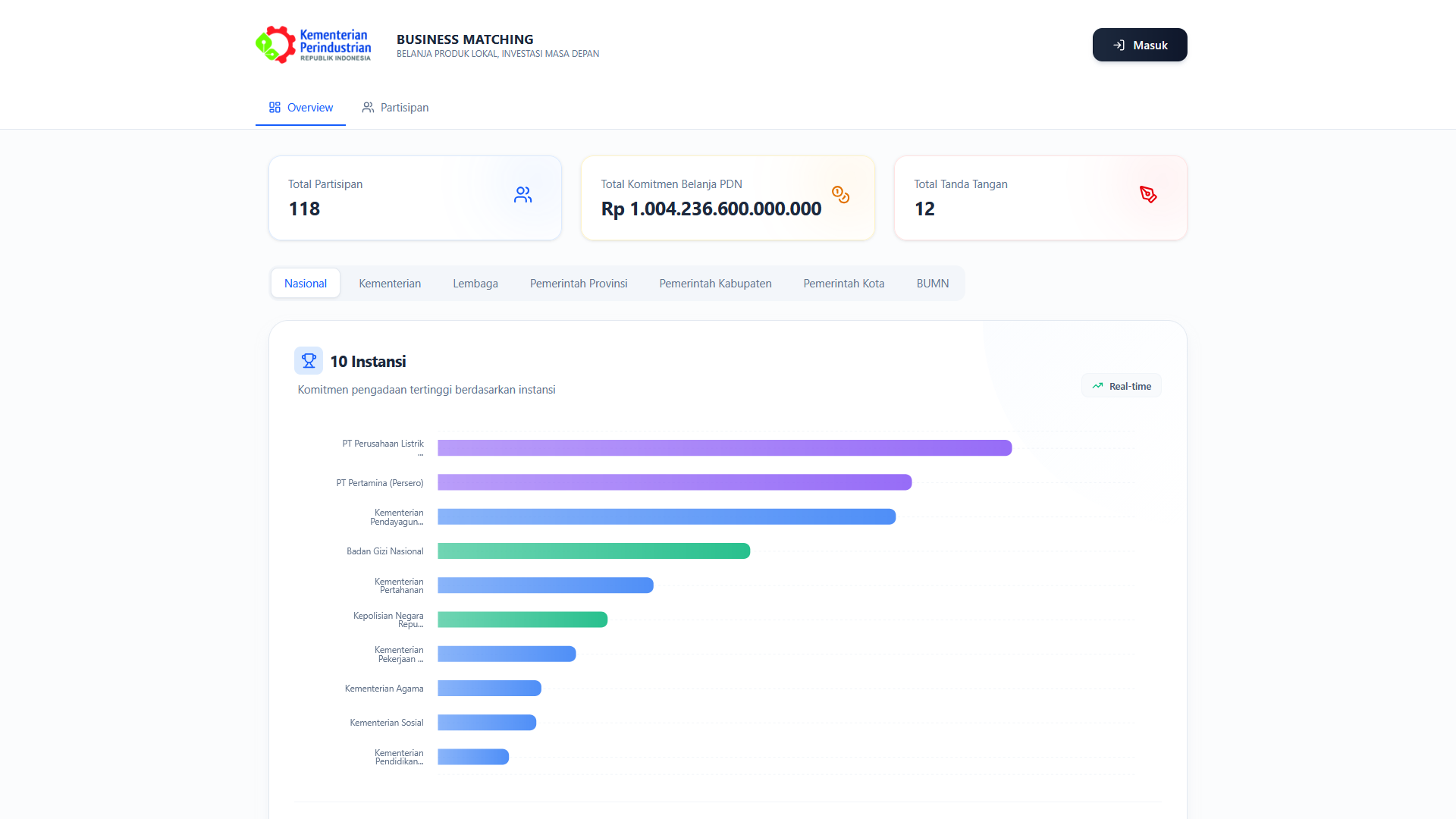
React + Hono — December 2025
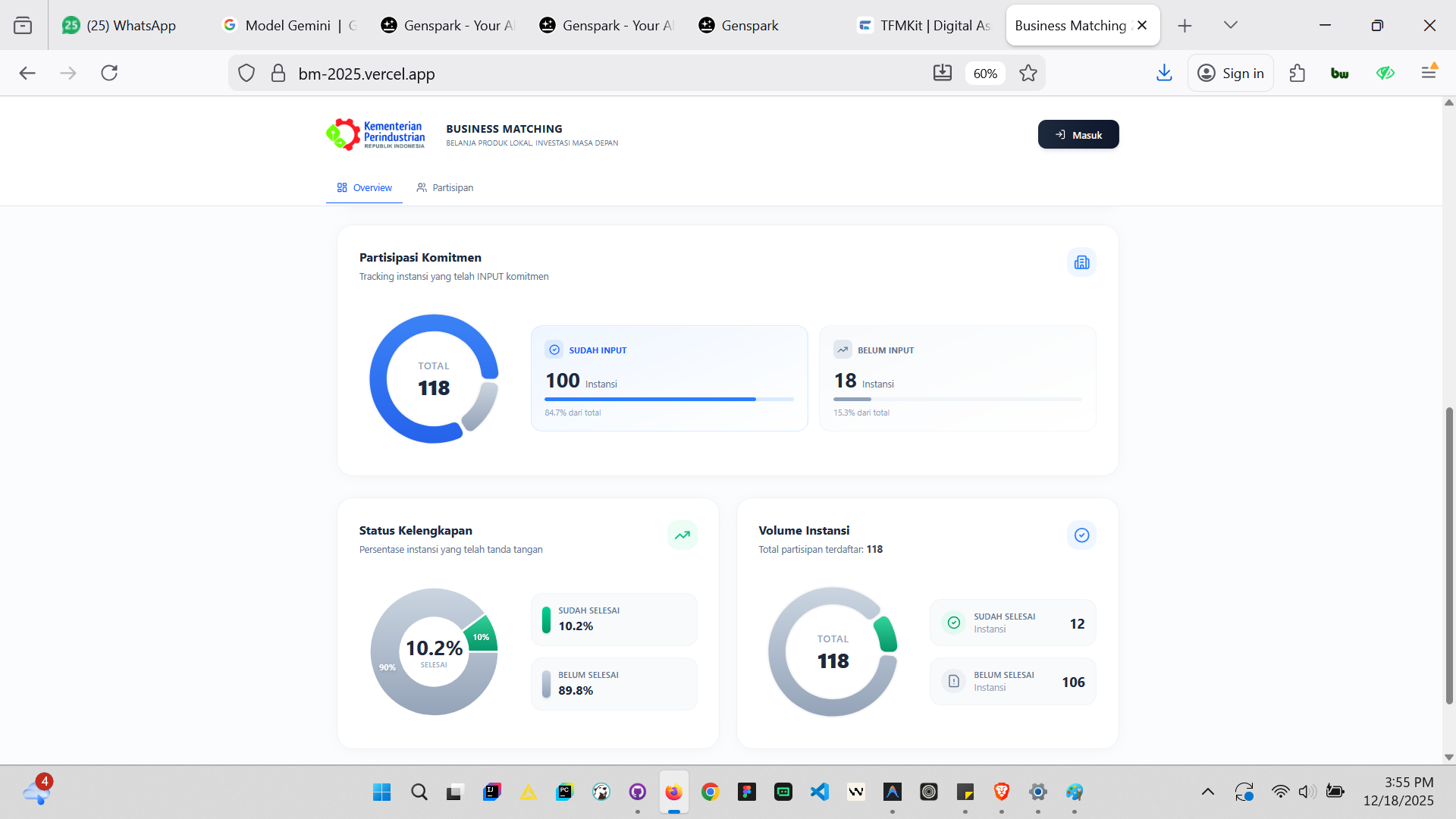
React dashboard
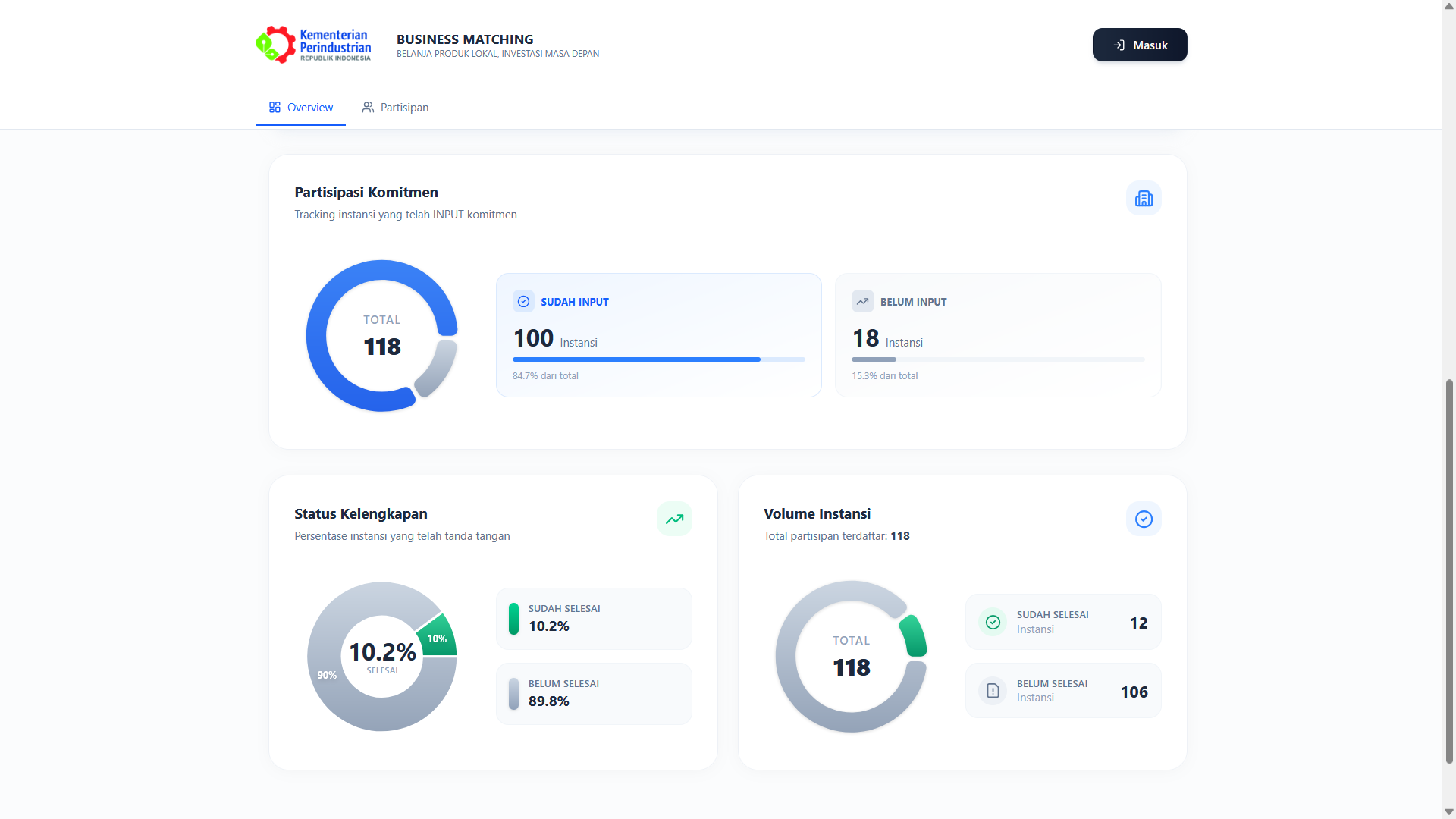
React + Hono final build
The monolith professionalized, then decoupled — a real API and a real SPA, at the price of double the maintenance.
SvelteKit + TypeScript → Go → Python — bm-online.id
Era four is the current production system at bm-online.id — a service constellation, not another monolith. SvelteKit is the primary application server: it owns Better Auth sessions, SSR, the public REST API, and every write to Neon Postgres via Drizzle. The Go backend mirrors the hot read paths at higher throughput and runs the realtime aggregation layer — a 3-second watermark poller feeding Phoenix Channels and SSE.
Python owns the compute-heavy ML work through two dedicated services: ONNX embeddings behind a Rust LRU/TTL cache for codification similarity, and a Prophet forecast service with Indonesian holiday regressors. Go calls them over typed internal APIs and stays the single public gateway — one binary in front, purpose-built services behind.
The screenshots below are the live public analytics surface — procurement demand rendered straight from production data: 61 categories and 1,003+ items across Barang, Jasa, and Lainnya, with the distribution charts the realtime layer keeps current.
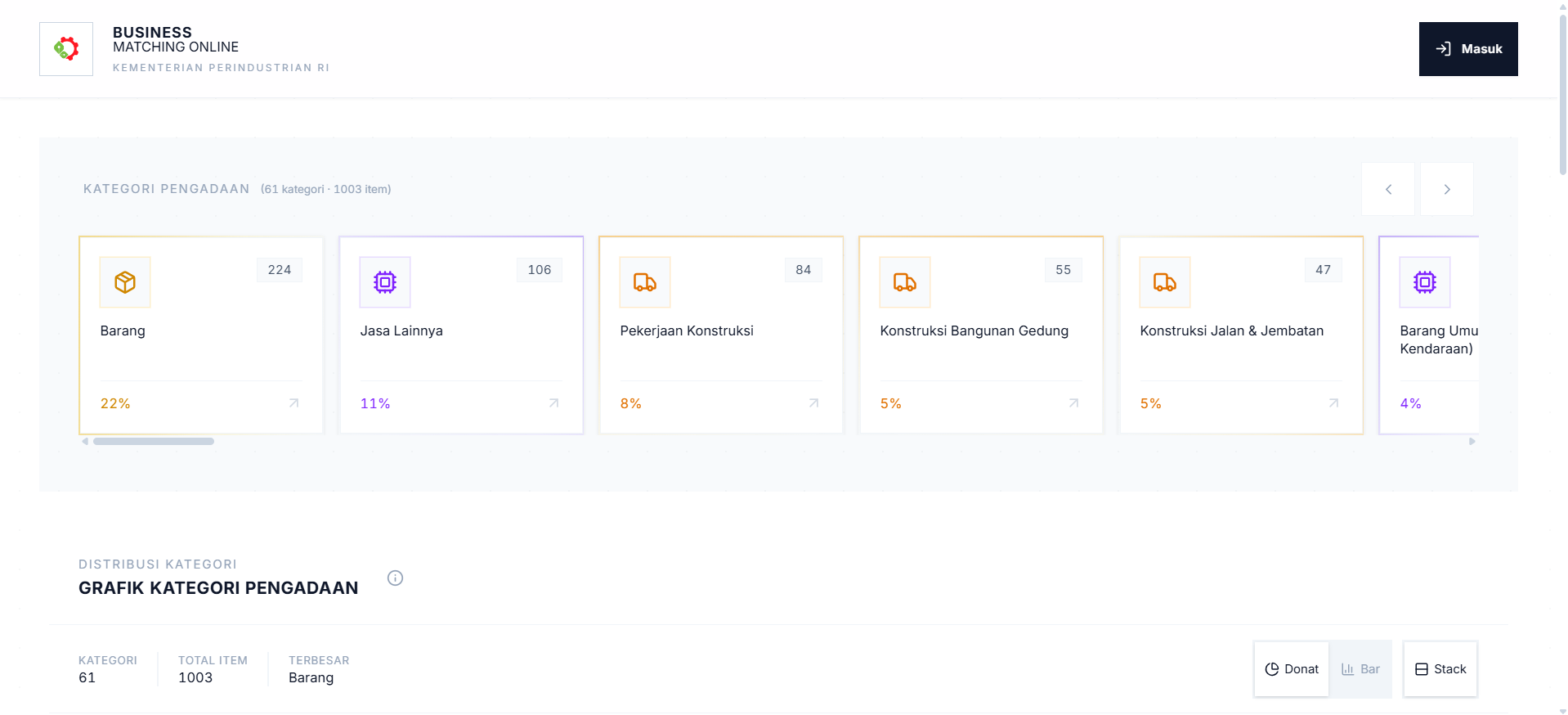
bm-online.id — procurement categories, November 2026
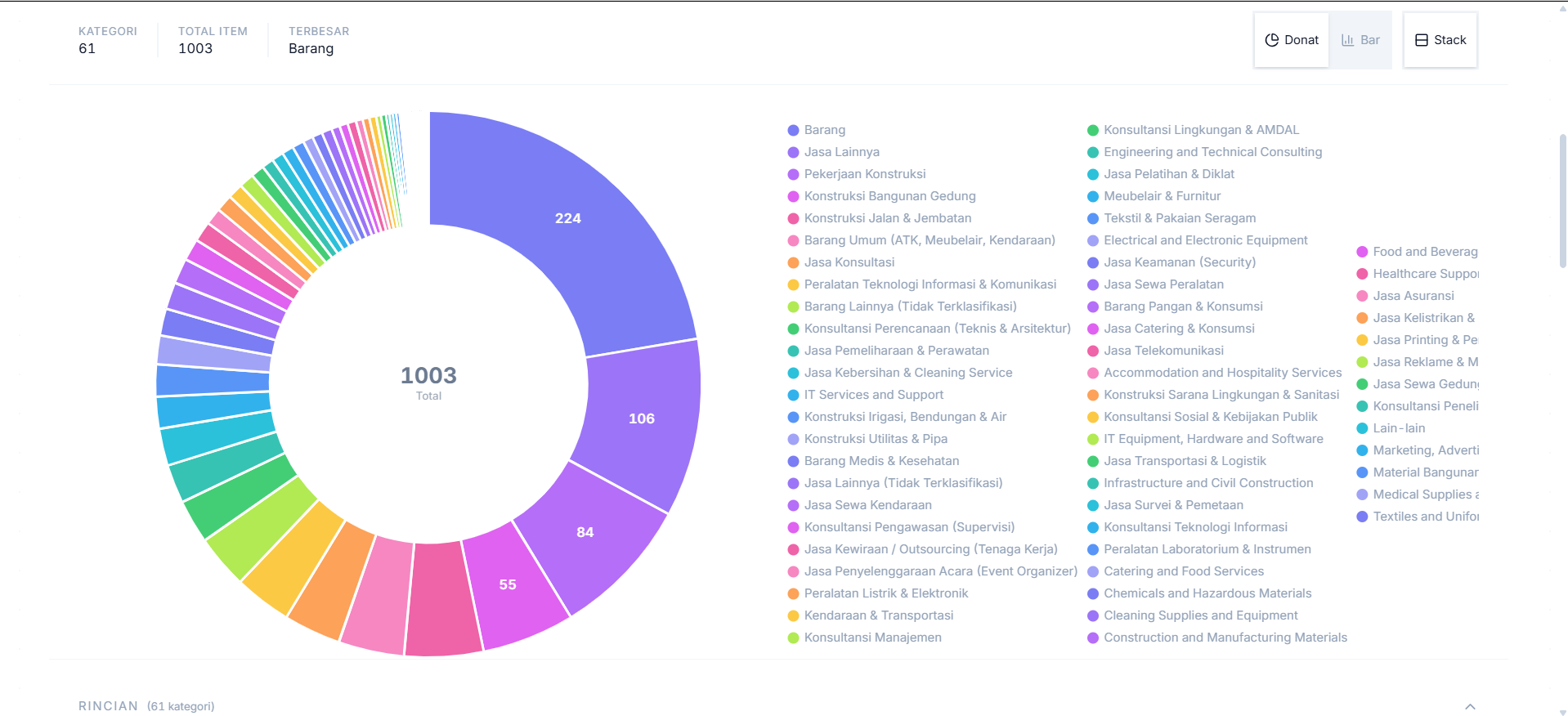
Category distribution — 61 categories, 1,003 items
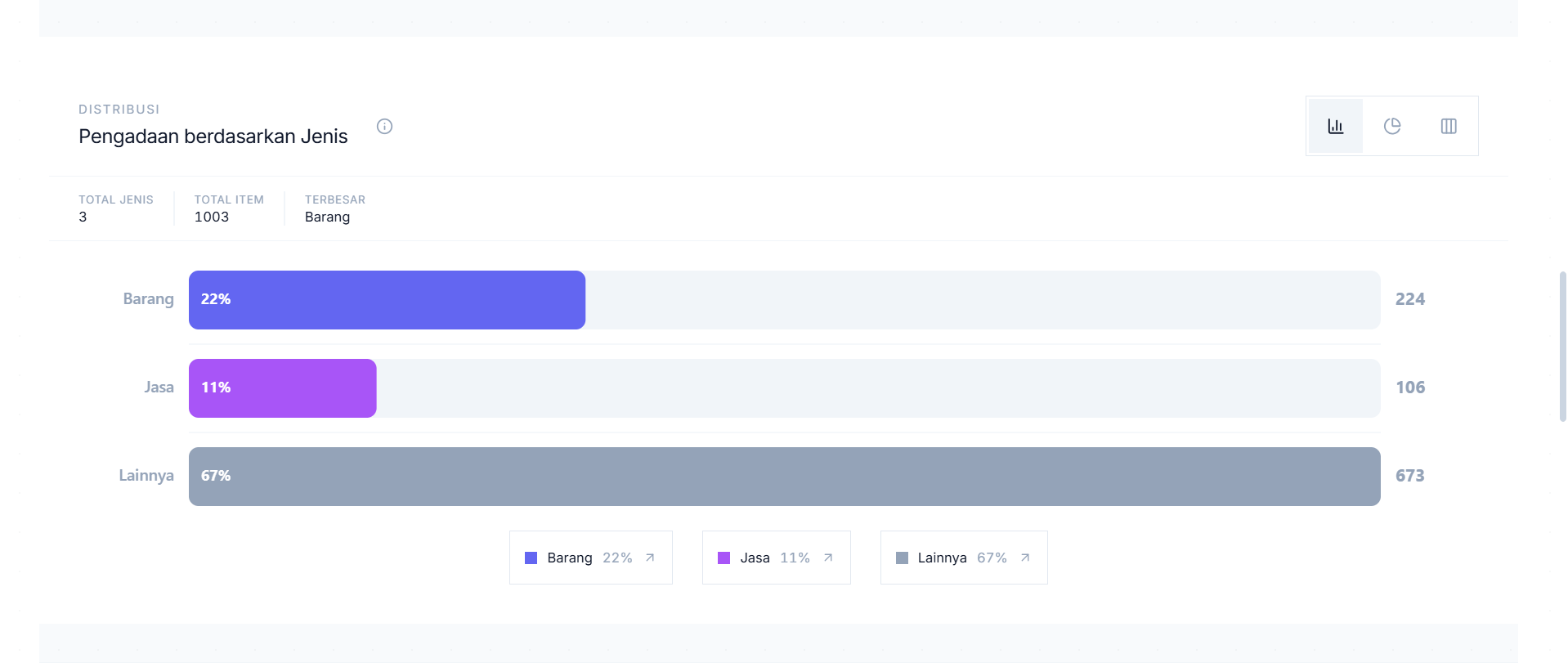
Distribution by type — Barang, Jasa, Lainnya
Not a rewrite — a constellation. SvelteKit serves, Go mirrors, Python thinks.
P3DN Fasilitasi
The facilitation arm of Kemenperin’s P3DN program — built greenfield in 2025 on SvelteKit + TypeScript + Supabase, the stack the older platforms spent years earning.
SvelteKit + Supabase — Built Right the First Time
P3DN Fasilitasi — the facilitation arm of Kemenperin’s P3DN program (Peningkatan Penggunaan Produk Dalam Negeri) — is the youngest of the three systems and the only one with no migration story. Built from scratch in 2025, it went straight onto SvelteKit + TypeScript with Supabase handling auth, the PostgreSQL database, and storage for facilitation documents.
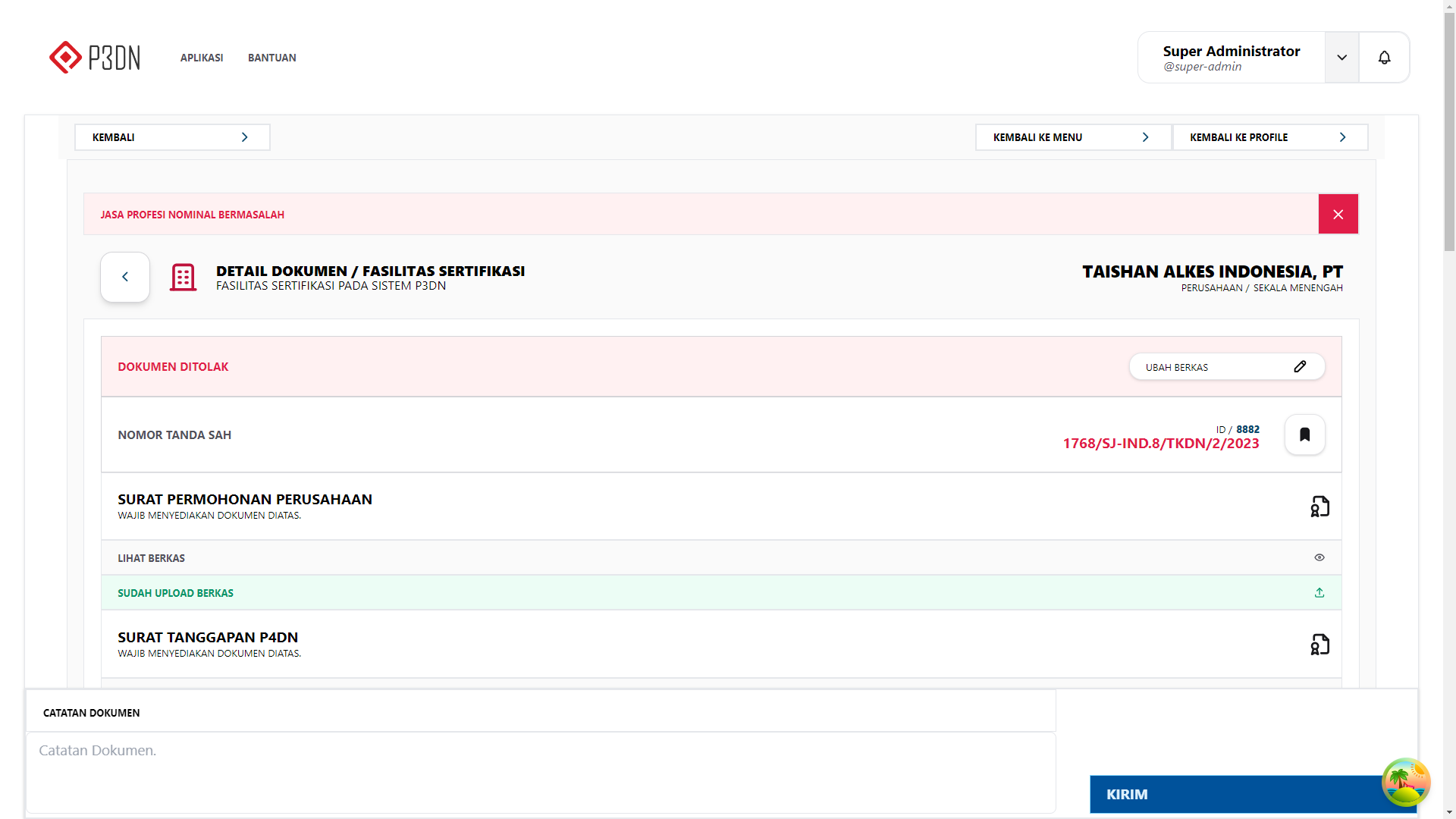
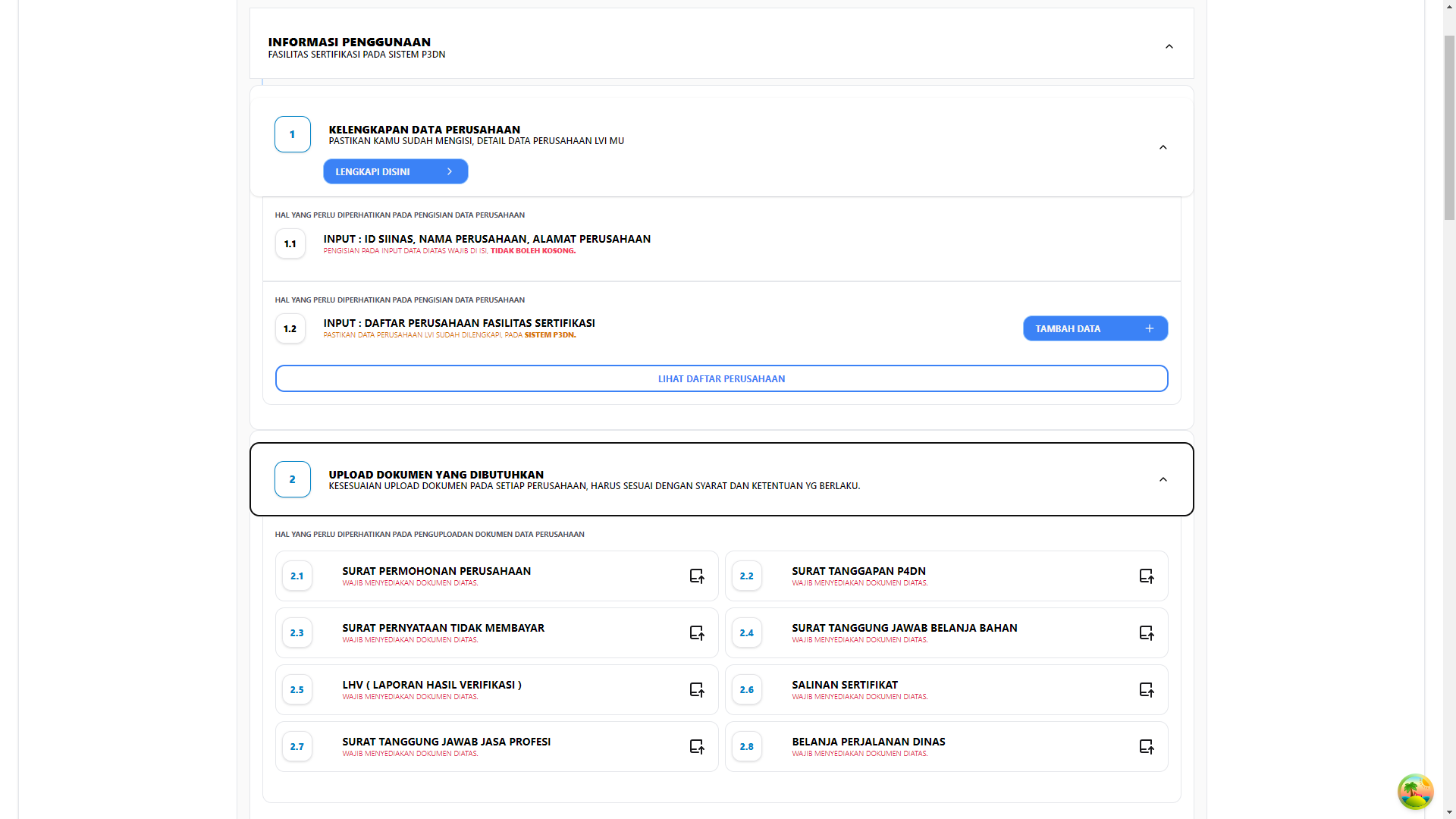
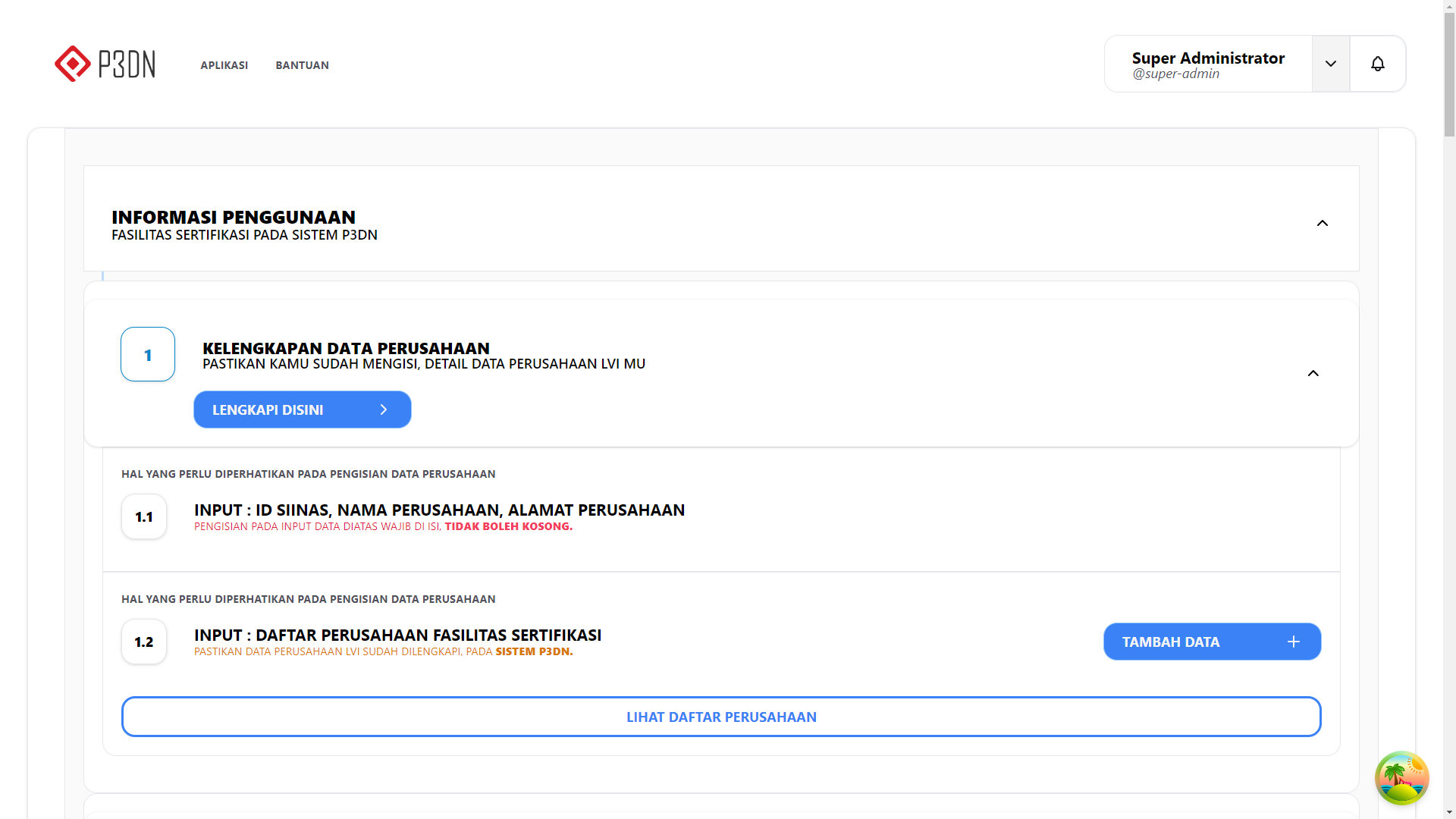
The facilitation pipeline — request, document review, verification, facilitated, reported — was designed in from day one instead of being reverse-engineered out of a monolith. Companies submit requests and track them through the stages; staff work a typed review queue; Supabase’s managed layer kept the team focused on the program’s workflow instead of infrastructure.
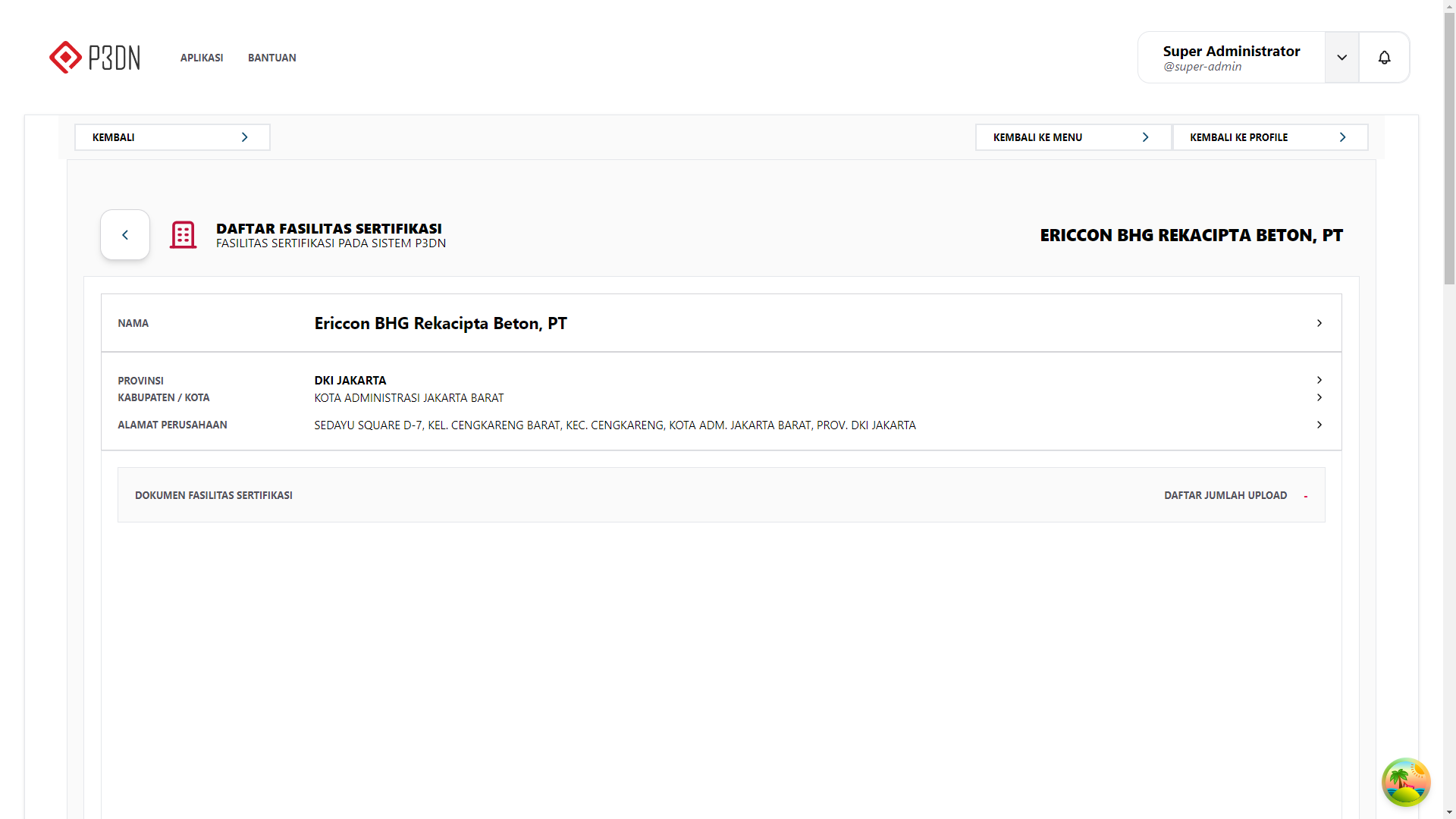
P3DN Fasilitasi home
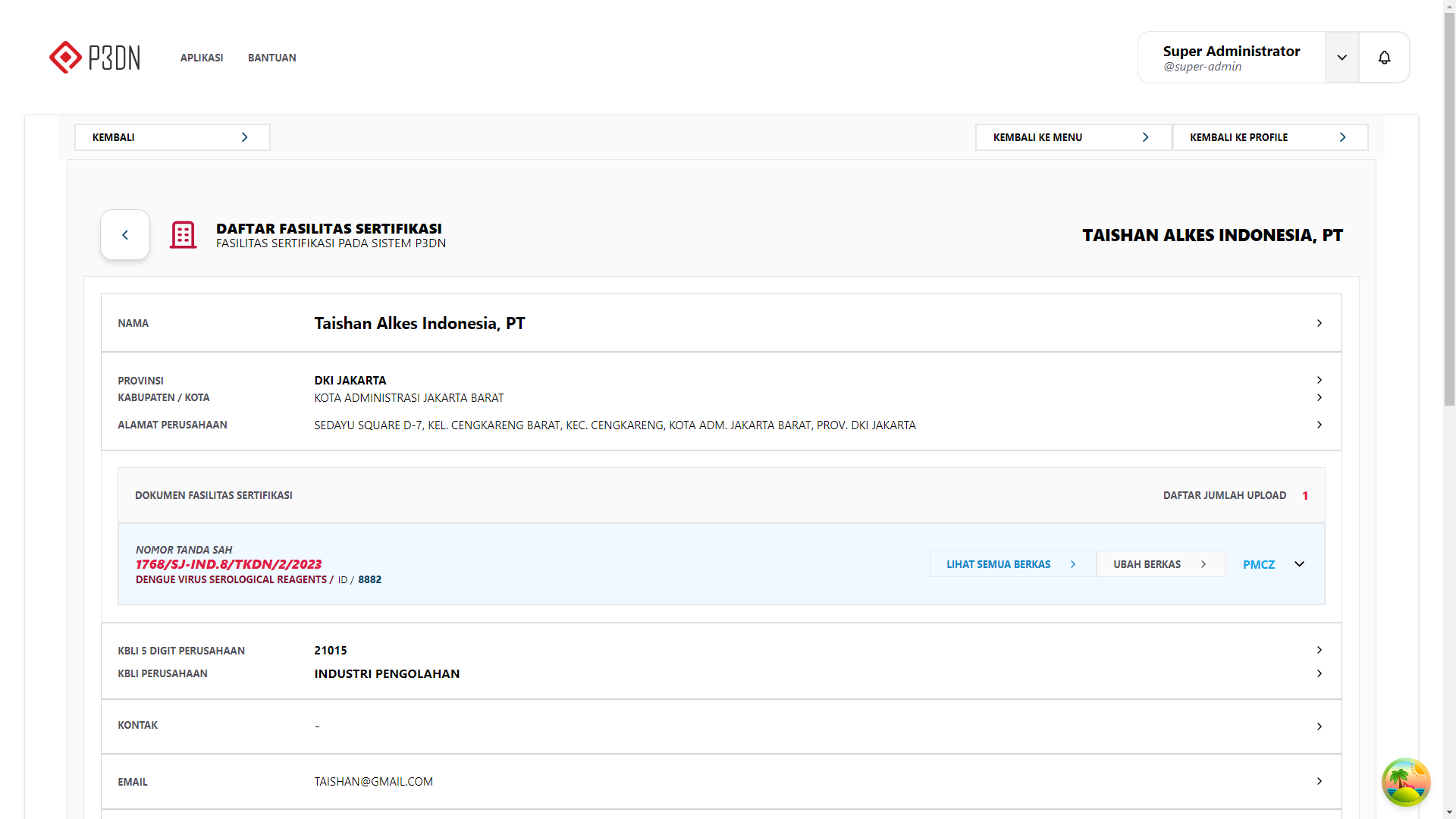
Facilitation request flow
Request tracking
Document review
Staff review queue
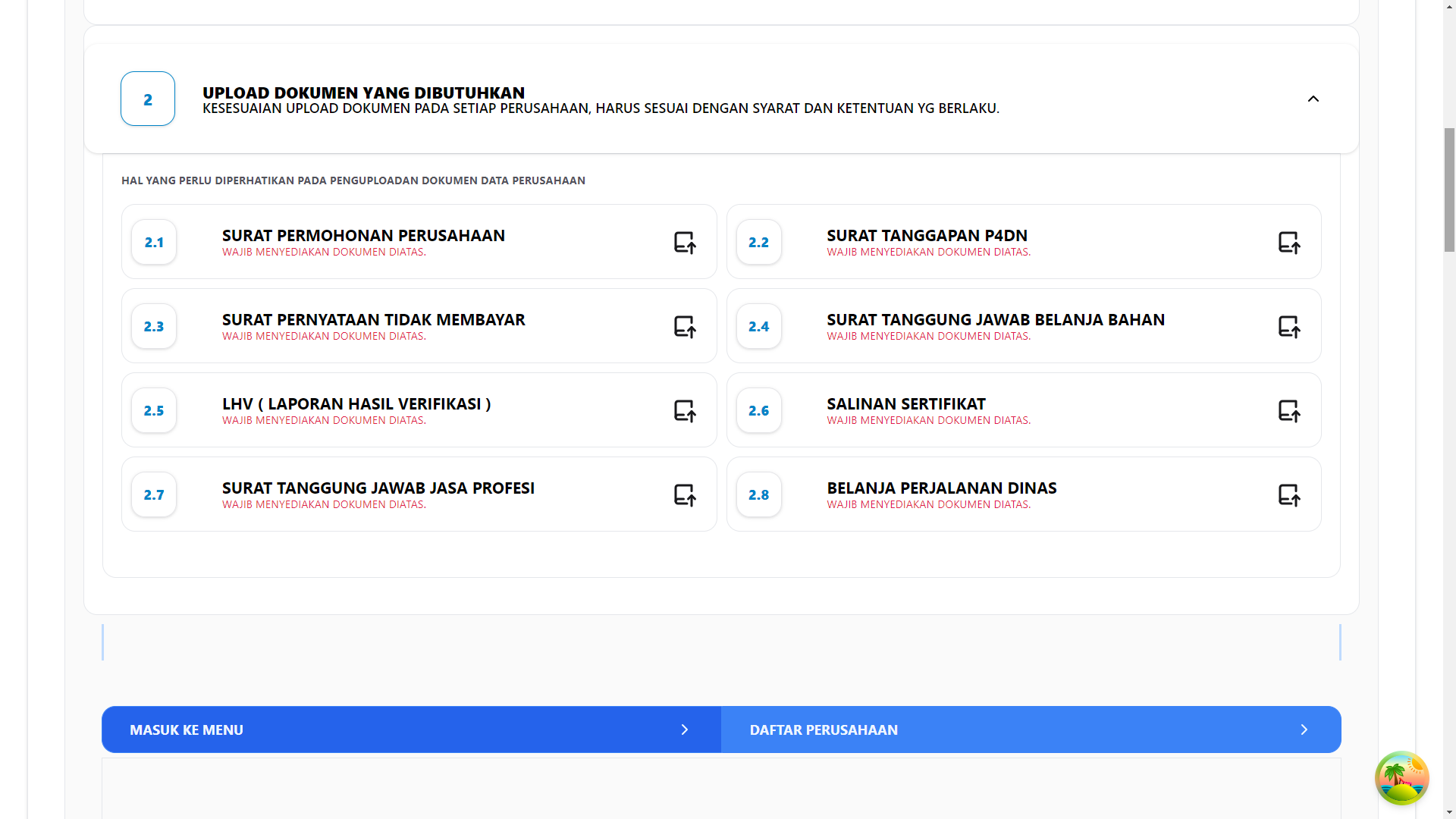
Admin console
The platform Business Matching took four rewrites to reach — P3DN started there.
TKDN Website
The public face of domestic-content certification — from a PHP 5 certificate bulletin to Sistem Informasi P3DN: a live, API-verifiable registry served by a Rust frontend and a Go headless CMS.
PHP — The Legacy Certificate Site
The TKDN (Tingkat Komponen Dalam Negeri — domestic content level) site ran on server-rendered PHP for its entire pre-CMS life. What began as a PHP 5 bulletin — company submissions, certificate lookups, verification requests — grew over the years into a structured registry: staged verification, document checklists, and an indexed public search.
The October 2026 DOKUMENTASI SITEMAP documents that final PHP site page by page: search.php for certificate and BMP search, sertifikat_ik_idx.php for the Industri Kecil directory, rekap.php for recapitulation tables and downloadable TKDN/LVI datasets — plus faq.php, regulasi.php, video.php, and referensi_idx.php. Eight public surfaces, all rendered per-request from a single MySQL-backed codebase.
It did the job for years, but every page was a fresh render, every content change meant a code deploy, and the certificate data lived in the same tables the public pages queried.
Six years, one monolith — the registry went public, but every change still shipped through code.
Rust + Go — The Headless CMS
Era two is the build running today at tkdn.kemenperin.go.id — Sistem Informasi P3DN, powered by a dedicated headless CMS. The CMS frontend is written in Rust and compiled to WebAssembly, so authoring surfaces and interactive elements run native-grade in the browser. Behind it, a Golang backend exposes the content API — typed models for pages, regulations, infographics, news, the certificate directory, and the organizational structure.
The split let each side optimize for its job. The Go service owns structured content, media, and publishing; the Rust frontend renders every public surface — the unified service search, the infographics dashboard, the province recapitulation — from the same API, so one editorial change propagates everywhere. The org chart on the Profil page is rendered from CMS-managed nodes, and the certificate directory stays synced from SIINas rather than re-keyed.
The public site launched under a BETA banner in late 2026 with real registry data behind it — 143,980 certificates across 2020–2026, 83,606 still active.
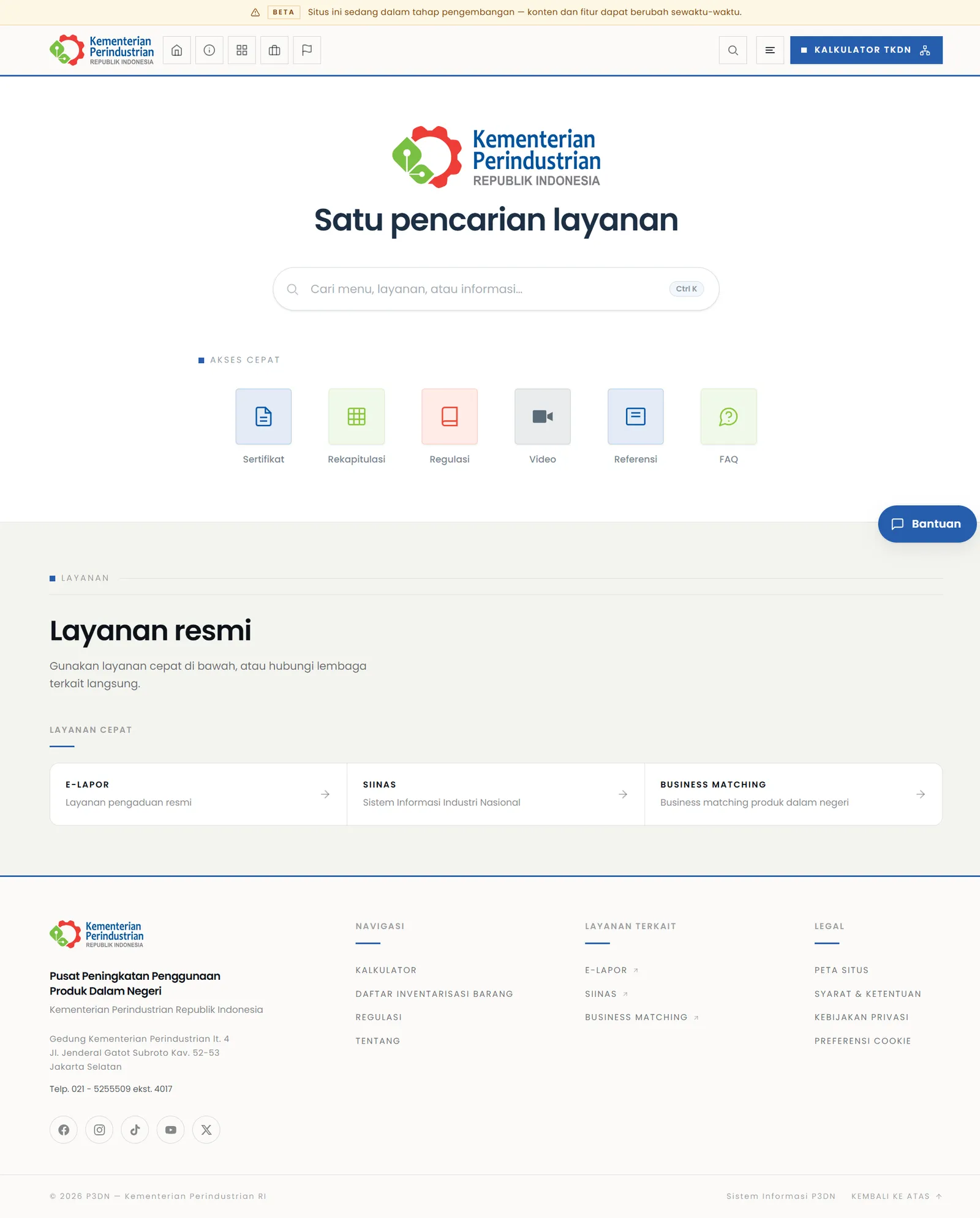
Satu Pencarian — one search over every P3DN service
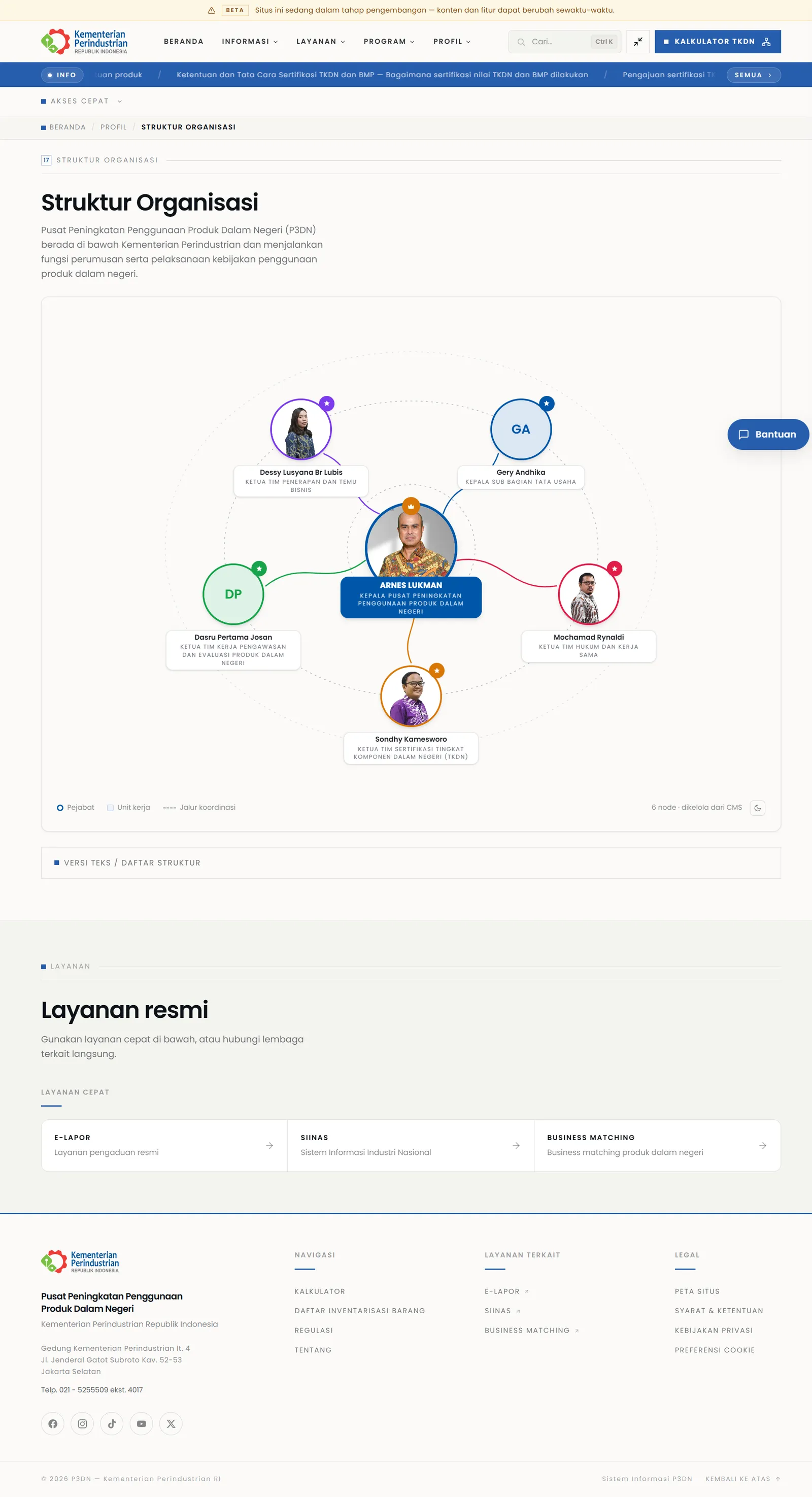
Struktur Organisasi — rendered from CMS nodes
A CMS that renders its own org chart — content and certificates finally share one editorial pipeline.
Three programs.
One mission.
Still running.
Kemenperin's programs — from PHP 5 monoliths to the modern stacks carrying them into the next era.